

NEWS
The Best Type C Transformer: Essential Information for Electrical Professionals
Release time:
Aug 17,2023
Introduction:
As an electrical professional in the transformer industry, understanding the best type C transformer and its applications is crucial. This article provides valuable insights into the world of power transformers, focusing on the best type C transformer. Explore its functions, advantages, and key considerations when choosing this type of transformer. Read on to enhance your knowledge and stay updated in the ever-evolving electrical field.
1. Understanding Type C Transformers:
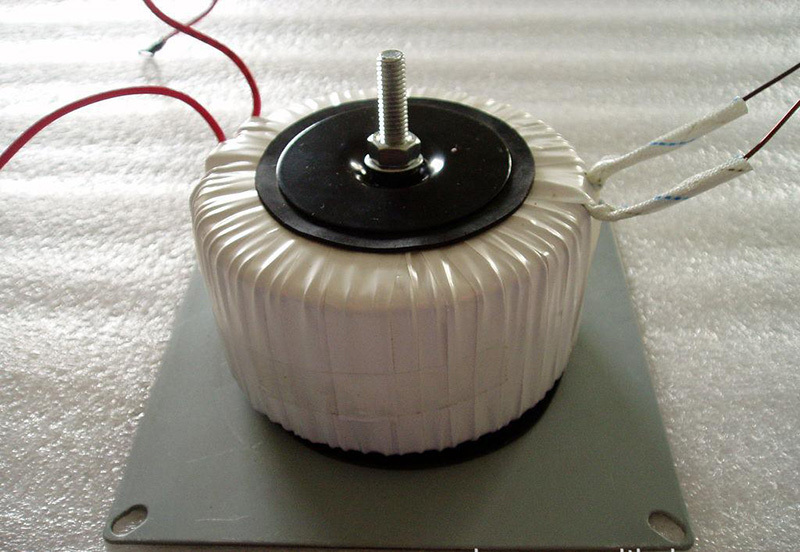
Type C transformers are a crucial component in the electrical power system. They are specifically designed to convert voltage levels to ensure safe and efficient power distribution. With their compact size, they are widely used in various applications, including industrial machinery, commercial buildings, and renewable energy systems.
2. Advantages of Type C Transformers:
Type C transformers offer several advantages that make them a preferred choice for many electrical professionals. These include:
- Enhanced Efficiency: Type C transformers are known for their high efficiency in converting electrical energy, reducing power losses and improving overall system performance.
- Compact Design: With their compact size, these transformers occupy less space, making them suitable for installations where space is limited.
- Versatile Applications: Type C transformers are versatile and can be employed in a wide range of electrical systems, accommodating different voltage requirements.
3. Factors to Consider when Choosing a Type C Transformer:
When selecting the best type C transformer for a specific application, it is essential to consider the following factors:
- Power Rating: Determine the power requirements of the system to ensure the transformer can handle the load capacity effectively.
- Voltage Ratio: Analyze the input and output voltage levels and choose a transformer that matches the required ratio.
- Efficiency: Opt for transformers with higher efficiency ratings to minimize energy losses and improve system performance.
- Safety Features: Consider transformers with built-in safety features, such as overload protection and temperature control mechanisms.
4. Maintenance and Safety Precautions:
To ensure the longevity and safe operation of type C transformers, proper maintenance and adherence to safety precautions are necessary. Regular inspection, cleaning, and testing should be conducted as per manufacturer guidelines. Additionally, following electrical safety protocols, such as de-energizing the system before maintenance, is crucial in preventing accidents and electrical hazards.
Conclusion:
The best type C transformer plays a vital role in the electrical industry, facilitating safe and efficient power distribution. Understanding its applications, advantages, and selection factors empowers electrical professionals to make informed decisions when choosing the right transformer for their specific needs. Stay updated with the latest advancements in the field, as continuous learning is essential to excel in the ever-evolving electrical and transformer industry.



Copyright ©2023 Guangzhou Zhanhong Electronlc Co.,Ltd. |
| Business license | SEO