


NEWS
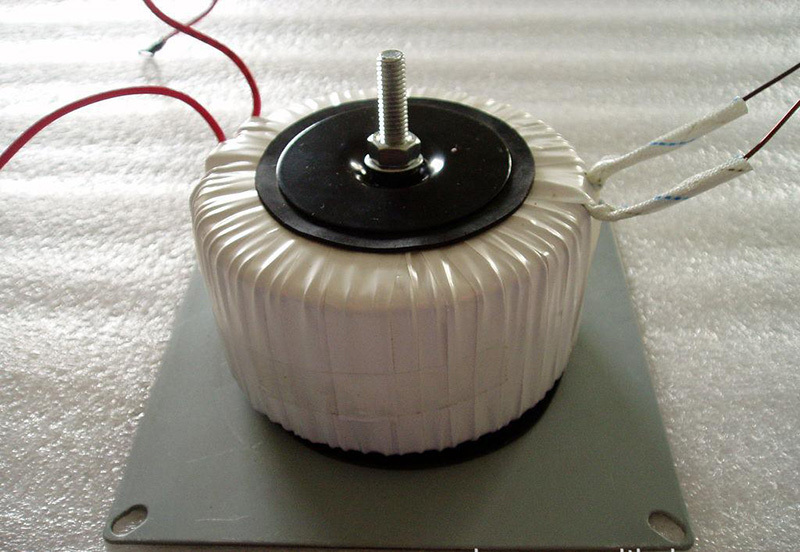
Unlocking the Power: Exploring High Frequency Transformers
Release time:
Nov 06,2023
Table of Contents
1. Introduction: Understanding High Frequency Transformers
2. The Basics: Components of a High Frequency Transformer
3. The Mechanics: How High Frequency Transformers Work
4. Applications: Where High Frequency Transformers Shine
5. Advantages and Disadvantages of High Frequency Transformers
6. Innovations and Future Trends in High Frequency Transformers
7. FAQs (Frequently Asked Questions)
8. Conclusion
Introduction: Understanding High Frequency Transformers
High frequency transformers play a crucial role in the electrical and electronic industry. These devices are designed to transfer electrical energy between different circuits, often by stepping up or stepping down voltage levels. By operating at high frequencies, these transformers enable efficient power conversion and are widely used in various applications, including power systems, telecommunications, medical devices, and more.
The Basics: Components of a High Frequency Transformer
A high frequency transformer consists of several key components, each serving a specific purpose. The core, typically made of laminated iron or ferrite materials, provides a path for the magnetic field generated by the transformer. The primary and secondary windings, consisting of insulated copper wire, are wound around the core to establish the necessary electrical connections. Additional components, such as insulation materials and cooling systems, ensure the transformer's safe and reliable operation.
The Mechanics: How High Frequency Transformers Work
High frequency transformers operate on the principles of magnetic induction. When an alternating current flows through the primary winding, it creates a magnetic field that induces voltage in the secondary winding. The turns ratio between the primary and secondary windings determines the voltage transformation ratio. By adjusting the number of turns in each winding, engineers can design transformers that step up or step down voltage levels as required.
Applications: Where High Frequency Transformers Shine
High frequency transformers find applications in various industries, owing to their unique characteristics. In power systems, they are used to step up voltages for long-distance transmission, reducing power losses. In telecommunications, these transformers facilitate the conversion of signals between different transmission mediums, ensuring efficient communication. Medical devices, such as MRI machines, rely on high frequency transformers to generate precise magnetic fields. From renewable energy systems to consumer electronics, the versatility of high frequency transformers knows no bounds.
Advantages and Disadvantages of High Frequency Transformers
High frequency transformers offer several advantages over their traditional counterparts. Their compact size and lightweight nature make them ideal for space-constrained applications. Moreover, their efficiency in power conversion reduces energy wastage and contributes to a greener environment. However, high frequency transformers also have limitations. They can be more expensive to manufacture and may require additional protective measures against electromagnetic interference. Understanding these pros and cons is crucial for selecting the right transformer for a specific application.
Innovations and Future Trends in High Frequency Transformers
As technology advances, so do high frequency transformers. Researchers and engineers continuously explore new materials, designs, and manufacturing techniques to improve transformer efficiency, reduce size, and enhance performance. The integration of advanced semiconductors and digital control systems enables the development of smart transformers with enhanced monitoring and protection capabilities. Additionally, the rise of renewable energy sources and the increasing demand for energy-efficient solutions drive the innovation of high frequency transformers in the coming years.
FAQs (Frequently Asked Questions)
Q1: What is the main purpose of a high frequency transformer?
Q2: How does a high frequency transformer differ from a low frequency transformer?
Q3: Can high frequency transformers be used in audio applications?
Q4: What safety precautions should be taken when working with high frequency transformers?
Q5: Are there any standards or regulations governing the design and use of high frequency transformers?
Conclusion
In conclusion, high frequency transformers are essential components in the electrical and electronic industry. Their ability to efficiently convert and transfer electrical energy has revolutionized various sectors, from power systems to telecommunications. By exploring the intricacies of high frequency transformers, we unlock their potential and gain a deeper understanding of their impact on modern technology. As innovation continues, these transformers will play an increasingly vital role in shaping a more advanced and interconnected world.



Copyright ©2023 Guangzhou Zhanhong Electronlc Co.,Ltd. |
| Business license | SEO