

NEWS
The Basics of EI Transformers in the Electrical Power Industry
Release time:
Nov 27,2023
Introduction:
EI transformers are an essential component in the field of electrical power engineering, especially in power supply transformers. In this article, we will explore the basics of EI transformers, their importance, and their role in the electrical power industry.
1. What are EI Transformers?
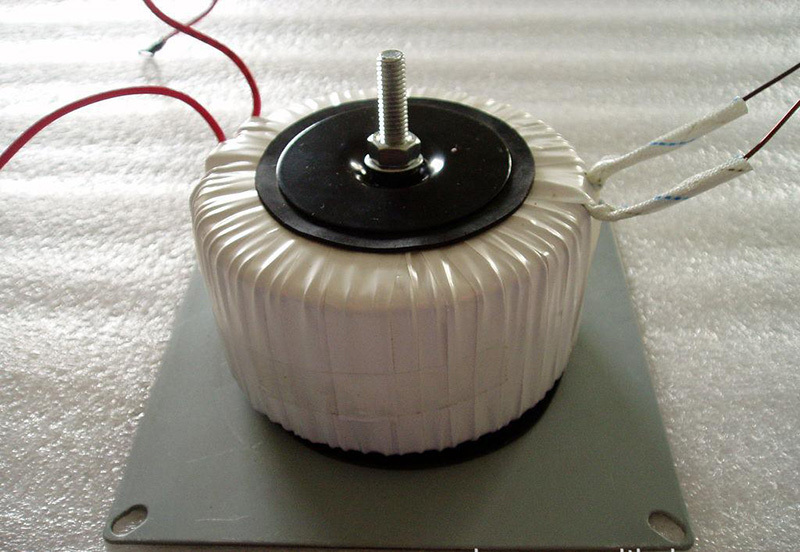
EI transformers are a type of power transformer widely used in the electrical power industry. They are named after the shape of their laminated iron core, which resembles the letters "E" and "I" when viewed from the side. The core is made up of thin laminations of iron that reduce energy losses due to eddy currents.
2. Significance of EI Transformers:
EI transformers play a crucial role in electrical power systems by converting electrical energy between different voltage levels. They are primarily used in power supply transformers to step up or step down voltages for efficient power transmission and distribution. These transformers help ensure a stable and reliable power supply to various electrical devices and systems.
3. Working Principle:
EI transformers operate based on the principle of electromagnetic induction. When an alternating current (AC) flows through the primary winding of the transformer, it creates an alternating magnetic field in the iron core. This magnetic field induces a voltage in the secondary winding, enabling the transformation of voltage levels.
4. Application in Power Supply Transformers:
EI transformers are extensively used in power supply transformers due to their efficiency and reliability. They are utilized in various industries and applications, including:
- Industrial Power Systems: EI transformers are employed in industrial power systems to step up or step down voltage levels, ensuring proper functioning of machinery and equipment.
- Consumer Electronics: EI transformers are used in electronic devices such as televisions, audio systems, and computer monitors to convert high voltage AC power to the required low voltage DC power.
- Renewable Energy Systems: EI transformers are crucial in renewable energy systems, such as solar and wind power installations, where they facilitate the transformation of generated energy to suitable voltage levels for grid integration.
5. Advantages of EI Transformers:
- Cost-Efficiency: EI transformers are relatively economical as compared to other transformer designs, making them a preferred choice in many applications.
- Compact Size: EI transformers are compact in size, making them suitable for installations with space constraints.
- High Efficiency: These transformers are designed to minimize energy losses and ensure high operational efficiency.
In conclusion, EI transformers are vital components in the electrical power industry, specifically in power supply transformers. They enable the efficient conversion of electrical energy between different voltage levels, ensuring stable and reliable power supply. Understanding the basics of EI transformers is essential for professionals in the electrical engineering field and those working with electrical power systems.



Copyright ©2023 Guangzhou Zhanhong Electronlc Co.,Ltd. |
| Business license | SEO