


NEWS
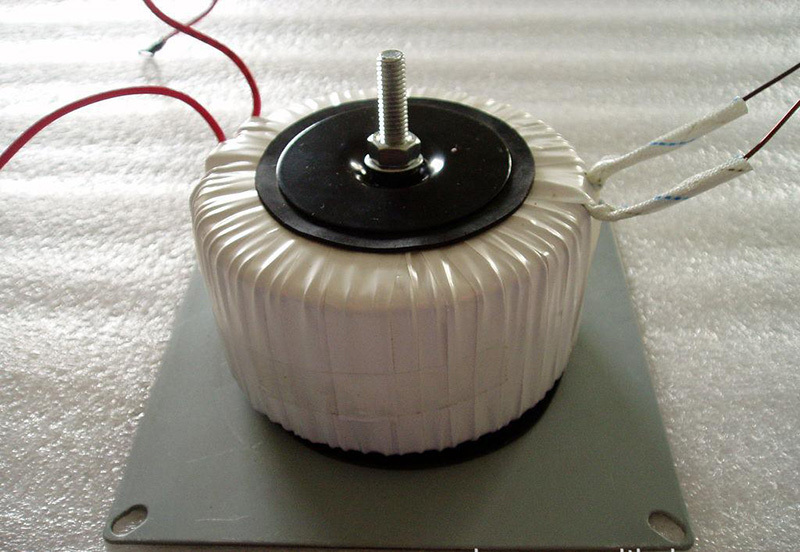
Understanding EPC Transformers: Your Essential Guide to Efficient Power Distribution
Release time:
Aug 25,2024
---
EPC transformers, or Electrical Power Conversion transformers, play a significant role in the realm of electrical engineering, specifically in the area of power distribution. These transformers are designed to adapt the voltage levels in electrical systems, ensuring that the energy is transmitted efficiently and reaches its intended destination without significant losses.
One of the primary functions of an EPC transformer is to convert high-voltage electricity to a lower voltage suitable for residential or commercial use. This transformation is vital, as high-voltage transmission reduces energy loss over long distances. When electricity travels through power lines at higher voltages, the current is lower, which diminishes the heat generated due to resistance in the conductors. This principle is crucial for optimizing the overall efficiency of the electrical grid.
EPC transformers are designed with a variety of features that enhance their performance and reliability. They typically employ advanced materials and construction techniques to minimize losses. For instance, the use of high-quality silicon steel laminations in the core reduces eddy current losses, while precise winding techniques ensure optimal electromagnetic performance. Additionally, many EPC transformers are equipped with cooling systems, such as oil or air cooling, to maintain operational efficiency and prolong the lifespan of the equipment.
In the context of renewable energy, EPC transformers are becoming increasingly important. As the world shifts towards sustainable energy sources like wind and solar power, the need for efficient power conversion and distribution becomes even more critical. These transformers facilitate the integration of renewable energy into the existing grid, allowing for effective management of variable energy sources and enhancing grid stability.
Another noteworthy aspect of EPC transformers is their adaptability. They can be utilized in various applications, from industrial plants to urban power distribution networks. Their ability to provide reliable voltage regulation ensures that sensitive equipment, such as computers and communication devices, operates seamlessly without interruption. This adaptability makes EPC transformers an indispensable component in both traditional and modern electrical systems.
When considering the installation of an EPC transformer, it is essential to evaluate several factors, including the specific requirements of the electrical system, load characteristics, and potential future expansions. Consulting with qualified electrical engineers or professionals can help determine the most suitable type of transformer for a given application.
In summary, EPC transformers are integral to efficient power distribution, enabling the safe and reliable transfer of electricity across various applications. Their role in modern electrical systems is vital, particularly as we move towards more sustainable energy solutions. Understanding the functionality and benefits of EPC transformers can empower you to make informed decisions about your electrical infrastructure, ensuring optimal performance and efficiency.



Copyright ©2023 Guangzhou Zhanhong Electronlc Co.,Ltd. |
| Business license | SEO