

NEWS
The Essentials of RM Transformers: A Guide for Electrical Professionals
Release time:
Aug 29,2024
RM transformers are an integral part of the electrical and electronics industry, specifically in the realm of transformer technology. These devices are crucial in voltage regulation, energy efficiency, and electromagnetic compatibility. Understanding the features and functionalities of RM transformers can significantly benefit electrical engineers and technicians in their design and application processes.
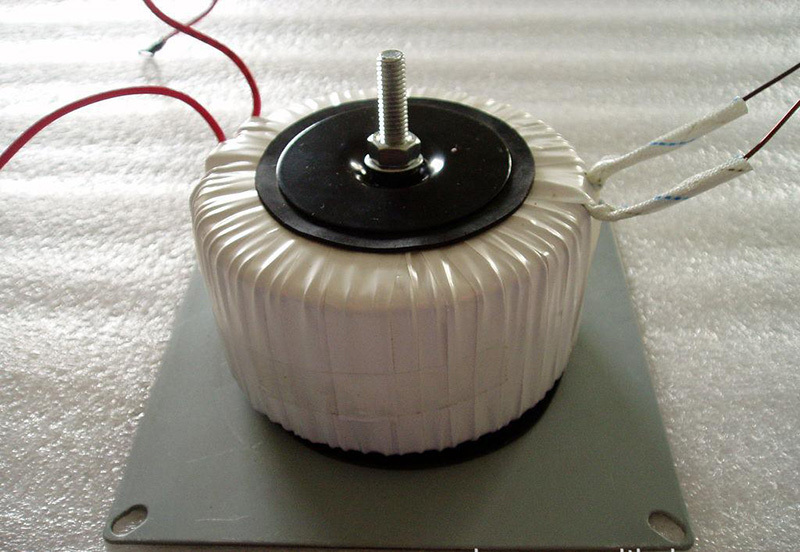
The term "RM" typically refers to the rectangular shape of the transformer core. This design allows for efficient magnetic coupling and minimizes losses due to leakage flux. RM transformers are predominantly used in electronic circuits, serving applications such as power supplies, signal isolation, and voltage step-up/down configurations. The compact design and high efficiency make RM transformers particularly appealing for use in space-constrained environments.
One of the primary advantages of RM transformers is their capability to handle high-frequency signals. This feature is essential in modern electronic devices that rely on switching power supplies. The core material used in RM transformers is often ferrite, which offers low core losses at high frequencies, thereby maximizing efficiency and reducing heat generation. Furthermore, the use of ferrite cores allows for a small footprint without compromising performance.
When selecting an RM transformer for a specific application, professionals should consider factors such as power rating, inductance, operating frequency, and insulation class. The power rating determines how much energy the transformer can handle, while inductance affects the efficiency of energy transfer. Additionally, the operating frequency is vital since it influences both the size and performance of the transformer. Insulation class is also crucial to ensure that the transformer can operate safely within the specified temperature range.
Moreover, RM transformers play a pivotal role in ensuring electromagnetic compatibility (EMC) in electronic devices. By effectively isolating and managing electromagnetic interference (EMI), these transformers help in maintaining signal integrity and overall device performance. This capability is especially important in industries such as telecommunications, automotive, and consumer electronics, where reliable performance is paramount.
In conclusion, RM transformers are indispensable components in the electrical and electronics sectors. Their unique design, efficiency, and ability to handle high-frequency applications make them suitable for various uses. For professionals in the field, a thorough understanding of RM transformers can lead to better design choices, increased efficiency, and improved device performance. Embracing the knowledge of these transformers will empower you to remain competitive in an ever-evolving industry.



Copyright ©2023 Guangzhou Zhanhong Electronlc Co.,Ltd. |
| Business license | SEO