

NEWS
Unlocking the Power of Efficiency: How UF Transformers Transform Electrical Systems for Optimal Performance
Release time:
Aug 31,2024
Unlocking the Power of Efficiency: How UF Transformers Enhance Electrical Systems
Table of Contents
1. Understanding UF Transformers
2. The Role of Transformers in Electrical Systems
3. Advantages of Using UF Transformers
3.1 Enhanced Energy Efficiency
3.2 Compact Design and Lightweight Features
3.3 Improved Thermal Management
4. Applications of UF Transformers in Various Industries
4.1 Residential Electricity Supply
4.2 Industrial Power Distribution
4.3 Renewable Energy Integration
5. Key Components of UF Transformers
5.1 Core Material Choices
5.2 Insulation Techniques
6. How to Choose the Right UF Transformer for Your Needs
6.1 Assessing Load Requirements
6.2 Considering Environmental Factors
7. Maintenance Tips for Optimal Performance
8. Future Trends in UF Transformer Technology
9. Frequently Asked Questions (FAQs)
10. Conclusion
1. Understanding UF Transformers
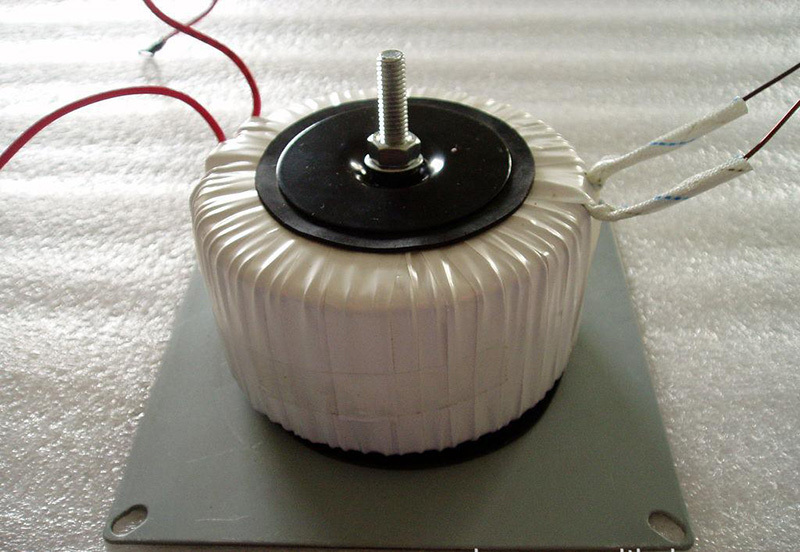
UF transformers, or Ultra-Frequency transformers, are specialized devices designed to efficiently transfer electrical energy between circuits while modifying voltage levels. These transformers are essential components in electrical systems, enabling the safe and efficient distribution of electricity across various applications. Unlike traditional transformers, UF transformers operate at higher frequencies, leading to several intrinsic advantages that enhance overall performance.
2. The Role of Transformers in Electrical Systems
Transformers play a pivotal role in electrical systems by stepping up or stepping down voltage levels to ensure power is transmitted effectively. They facilitate the safe distribution of electricity, allowing for long-distance transmission with minimal energy loss. UF transformers specifically cater to high-efficiency applications, where reducing energy waste is paramount.
3. Advantages of Using UF Transformers
UF transformers offer numerous benefits that make them an attractive choice in modern electrical systems.
3.1 Enhanced Energy Efficiency
One of the most significant advantages of UF transformers is their ability to operate at higher efficiencies compared to traditional transformers. This enhanced energy efficiency is crucial for reducing operational costs and minimizing energy loss, making UF transformers a sustainable choice for various applications.
3.2 Compact Design and Lightweight Features
UF transformers are designed to be more compact and lighter than their traditional counterparts. This feature allows for easier installation, especially in spaces with limited room, and reduces the overall weight of the electrical system.
3.3 Improved Thermal Management
With advanced thermal management capabilities, UF transformers can dissipate heat more effectively, leading to a longer lifespan and improved performance. This quality is particularly important in applications where maintaining consistent operating temperatures is vital.
4. Applications of UF Transformers in Various Industries
UF transformers find applications in diverse sectors, contributing to more efficient electrical systems.
4.1 Residential Electricity Supply
In residential settings, UF transformers enhance the reliability of power supply, providing homeowners with consistent voltage levels and reducing the risk of power surges. They are often used in smart homes to optimize energy use.
4.2 Industrial Power Distribution
In industrial environments, UF transformers are essential for distributing power efficiently across large facilities. They support heavy machinery and facilitate the operation of various production processes, ensuring minimal downtime.
4.3 Renewable Energy Integration
As the world moves towards renewable energy sources, UF transformers play a crucial role in integrating solar and wind power into existing electrical grids. They help manage the variable output from these sources, enhancing overall system stability.
5. Key Components of UF Transformers
Understanding the components of UF transformers can provide insights into their operation and efficiency.
5.1 Core Material Choices
The performance of a UF transformer is heavily influenced by the core material used. Materials such as silicon steel or amorphous steel offer low losses, enhancing the overall efficiency of the transformer.
5.2 Insulation Techniques
Effective insulation is essential for preventing energy loss and maintaining safety standards. UF transformers employ advanced insulation techniques that ensure high dielectric strength while minimizing weight.
6. How to Choose the Right UF Transformer for Your Needs
Selecting the correct UF transformer involves careful consideration of several factors.
6.1 Assessing Load Requirements
Determining the load requirements is crucial for selecting a UF transformer. Understanding the expected demand helps in choosing a transformer that can handle peak loads without compromising efficiency.
6.2 Considering Environmental Factors
The operating environment can significantly impact transformer performance. Factors such as temperature, humidity, and exposure to contaminants should be considered to ensure the longevity and efficiency of the transformer.
7. Maintenance Tips for Optimal Performance
Regular maintenance is vital for ensuring the longevity and efficiency of UF transformers. Key maintenance practices include:
- Performing routine inspections to identify signs of wear or damage.
- Monitoring temperature levels to prevent overheating.
- Regularly checking connections for signs of corrosion.
Implementing these practices can help maintain the optimal performance of UF transformers over their lifespan.
8. Future Trends in UF Transformer Technology
As technology advances, UF transformers are expected to evolve further. Future trends may include enhanced materials that improve efficiency, smart transformers integrated with IoT technology for better monitoring and control, and environmentally friendly designs that minimize the carbon footprint.
9. Frequently Asked Questions (FAQs)
What distinguishes UF transformers from traditional transformers?
UF transformers operate at higher frequencies, resulting in enhanced efficiency, a compact design, and improved thermal management compared to traditional transformers.
Are UF transformers suitable for residential use?
Yes, UF transformers are well-suited for residential applications, providing efficient and reliable power supply while minimizing energy loss.
How do UF transformers integrate with renewable energy sources?
UF transformers help manage the variable output from renewable energy sources, ensuring stable integration into existing electrical grids.
What maintenance is required for UF transformers?
Regular inspections, temperature monitoring, and connection checks are essential maintenance practices for UF transformers.
What industries benefit most from UF transformer technology?
Industries such as residential electricity supply, manufacturing, and renewable energy integration significantly benefit from UF transformer technology.
10. Conclusion
In today's rapidly advancing electrical landscape, UF transformers stand out as a beacon of efficiency and innovation. By enhancing energy efficiency, offering a compact design, and improving thermal management, UF transformers play a crucial role in modern electrical systems. As industries continue to adapt to new energy requirements, embracing the technology of UF transformers will be essential for optimizing performance and driving sustainable practices. Whether in residential, industrial, or renewable applications, UF transformers are unlocking new possibilities for enhanced electrical efficiency and reliability.



Copyright ©2023 Guangzhou Zhanhong Electronlc Co.,Ltd. |
| Business license | SEO