


NEWS
Why You Should Choose ER Transformers for Your Next Project: The Ultimate Guide
Release time:
Sep 04,2024
Why You Should Choose ER Transformers for Your Next Project
Introduction to ER Transformers
When it comes to electrical systems, transformers play a crucial role in voltage regulation and power distribution. Among the various types available, **ER Transformers** have emerged as a preferred choice for many projects. Their unique design and functionality provide numerous benefits that cater to both commercial and industrial applications. In this article, we will explore the myriad reasons why ER Transformers should be your go-to option for your next electrical project.
Understanding the Basics of Transformers
Transformers are essential devices in power systems, designed to transfer electrical energy between two or more circuits through electromagnetic induction. They adjust voltage levels to ensure safe and efficient power delivery. The different types of transformers include:
1. Step-Up Transformers
These transformers increase voltage levels, making them ideal for long-distance transmission of electricity.
2. Step-Down Transformers
Conversely, step-down transformers reduce voltage levels, ensuring that electricity is safe for use in homes and businesses.
3. Isolation Transformers
Isolation transformers provide electrical isolation between circuits, enhancing safety and reducing the risk of electrical shock.
4. ER Transformers
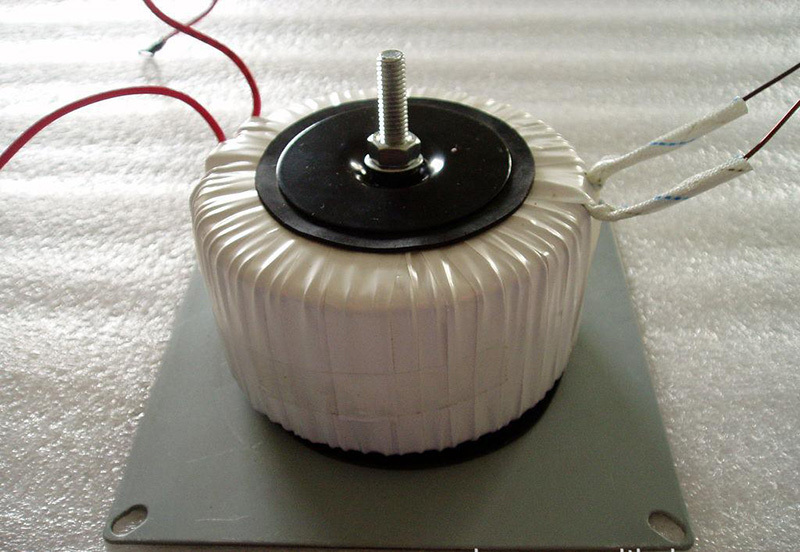
ER Transformers are a specialized type that features an **E-shaped core** and an **R-shaped core**, allowing for optimal space utilization and efficiency.
Key Features of ER Transformers
ER Transformers offer distinctive features that make them a superior choice for many applications. Here are some of the key attributes that set them apart:
1. Compact Design
The unique design of ER Transformers allows for a smaller footprint without compromising functionality. Their compact nature makes them ideal for projects with limited space.
2. High Efficiency
ER Transformers are engineered to minimize energy loss during operation. Their construction allows for efficient power conversion, which can lead to significant energy savings over time.
3. Low Noise Levels
One of the standout features of ER Transformers is their ability to operate quietly. This makes them suitable for environments where noise pollution must be kept to a minimum, such as hospitals and residential areas.
4. Enhanced Thermal Management
These transformers are designed to dissipate heat effectively, reducing the risk of overheating and extending their lifespan. Improved thermal management also contributes to the reliability of the entire electrical system.
5. Versatile Applications
ER Transformers can be utilized in a wide range of applications, from industrial machinery to consumer electronics. Their adaptability makes them a valuable asset across various sectors.
Advantages of Choosing ER Transformers
Selecting ER Transformers for your project comes with numerous advantages. Here are some compelling reasons to consider them:
1. Cost-Effectiveness
While the initial investment might be slightly higher compared to standard transformers, the long-term savings in energy efficiency and maintenance costs make ER Transformers a cost-effective choice.
2. Reliability and Durability
ER Transformers are built to last, with high-quality materials and rigorous manufacturing standards. This reliability ensures that your electrical systems function smoothly without frequent interruptions.
3. Ease of Installation
The compact design and standardized features of ER Transformers simplify the installation process, saving time and labor costs during setup.
4. Compliance with Standards
ER Transformers comply with international safety and performance standards. This ensures that your project meets regulatory requirements, giving you peace of mind.
5. Improved Load Handling
These transformers have the capability to handle varying loads efficiently, making them suitable for dynamic environments where power requirements fluctuate frequently.
Applications of ER Transformers in Various Industries
Due to their versatility, ER Transformers find use across multiple industries. Here’s a look at some common applications:
1. Industrial Sector
In manufacturing plants, ER Transformers are used to power heavy machinery and equipment, ensuring stable voltage levels even under varying load conditions.
2. Telecommunications
Telecom companies utilize ER Transformers to provide consistent power to communication equipment, which is critical for maintaining connectivity.
3. Healthcare Facilities
Hospitals and clinics rely on ER Transformers to ensure that medical equipment operates safely and efficiently, minimizing the risk of power-related failures.
4. Renewable Energy
With the rise of renewable energy sources, such as solar and wind power, ER Transformers play a vital role in converting and distributing generated power to the grid.
5. Consumer Electronics
In the realm of consumer electronics, ER Transformers provide reliable power to various devices, ensuring optimal performance and safety.
How to Choose the Right ER Transformer for Your Project
Choosing the right ER Transformer requires careful consideration of several factors to ensure optimal performance. Here are some steps to guide your selection process:
1. Determine Your Power Requirements
Assess the voltage and current requirements of your project to choose a transformer that meets your specific needs.
2. Evaluate Load Variations
Consider whether your application will experience fluctuating loads. Ensure that the transformer can handle these variations without compromising efficiency.
3. Check for Compliance with Standards
Verify that the ER Transformer meets all necessary regulatory and safety standards for your industry.
4. Consider Space Constraints
Given the compact design of ER Transformers, assess the space available for installation to ensure a proper fit.
5. Consult with Experts
When in doubt, consult with electrical engineers or suppliers who can provide valuable insights and recommendations tailored to your project.
Frequently Asked Questions (FAQs)
1. What is the lifespan of an ER Transformer?
ER Transformers typically have a lifespan of 15 to 25 years, depending on usage and maintenance.
2. How do ER Transformers compare to traditional transformers?
ER Transformers are more efficient, quieter, and compact compared to traditional transformers, making them a superior choice for many applications.
3. Are ER Transformers suitable for outdoor use?
Yes, ER Transformers can be designed for outdoor use, but ensure they have appropriate weatherproof housing.
4. Can ER Transformers handle sudden power surges?
ER Transformers are designed to manage power fluctuations, but it's essential to select a model that matches your specific surge requirements.
5. What maintenance do ER Transformers require?
Regular inspections and cleaning are recommended. Monitoring for signs of overheating or wear can help extend their lifespan.
Conclusion
In conclusion, choosing ER Transformers for your next project offers numerous advantages, including high efficiency, compact design, and versatility across various applications. Their reliability and long-term cost-effectiveness make them a wise investment for both commercial and industrial purposes. By considering the factors outlined in this guide, you can ensure that your selection aligns perfectly with your project’s needs, resulting in optimal performance and satisfaction. Whether you’re working in manufacturing, telecommunications, healthcare, or renewable energy, ER Transformers stand out as the premier choice for modern electrical solutions.



Copyright ©2023 Guangzhou Zhanhong Electronlc Co.,Ltd. |
| Business license | SEO