

NEWS
Understanding EC Transformers: The Future of Efficient Electrical Solutions
Release time:
Sep 06,2024
---
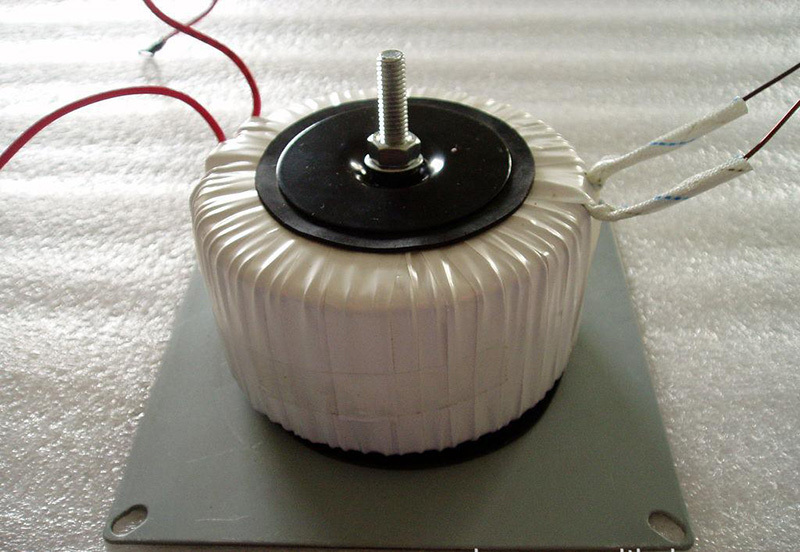
In the increasingly advanced landscape of electrical engineering, EC transformers have emerged as a pivotal technology. Short for electronically controlled transformers, EC transformers are designed to enhance energy efficiency and reduce electrical losses. Unlike traditional transformers, which operate on a fixed frequency, EC transformers utilize electronic components to manage power conversion more effectively, making them ideal for a variety of applications.
One of the standout features of EC transformers is their ability to adapt to varying load conditions. This adaptability allows for optimal performance in scenarios where energy demand fluctuates, such as in residential or commercial settings. By dynamically adjusting to changes in load, these transformers minimize energy waste and contribute to overall cost savings on electricity bills.
The design of EC transformers also plays a significant role in their efficiency. They typically incorporate advanced materials that reduce energy losses during operation. For instance, the use of high-quality magnetic cores and optimized winding techniques can significantly lower the amount of energy dissipated as heat. Consequently, users benefit not only from lower energy costs but also from a reduced environmental footprint, aligning with the growing emphasis on sustainability in electrical systems.
Another notable application of EC transformers is in renewable energy systems. As the world shifts towards greener energy sources, EC transformers are increasingly employed in solar power systems and wind energy applications. These transformers facilitate efficient energy conversion, allowing for effective integration of renewable sources into existing power grids. This capability is crucial for enhancing the overall reliability and stability of electrical supply systems, particularly as the demand for cleaner energy continues to rise.
Moreover, EC transformers can be found in various electronic devices, including LED lighting systems and inverters. Their compact design and efficient operation make them suitable for applications where space is limited and efficiency is paramount. Additionally, their reduced electromagnetic interference (EMI) characteristics contribute to improved performance in sensitive electronic environments.
In summary, EC transformers represent a significant advancement in the field of electrical engineering. Their ability to provide efficient energy conversion, adaptability to load changes, and contribution to renewable energy applications make them an essential component in modern electrical systems. As technology advances and the demand for energy efficiency grows, understanding the role of EC transformers will be vital for professionals in the electrical and electronics sector. Embracing these innovations can lead to not only operational improvements but also a commitment to sustainability and energy conservation.



Copyright ©2023 Guangzhou Zhanhong Electronlc Co.,Ltd. |
| Business license | SEO