


NEWS
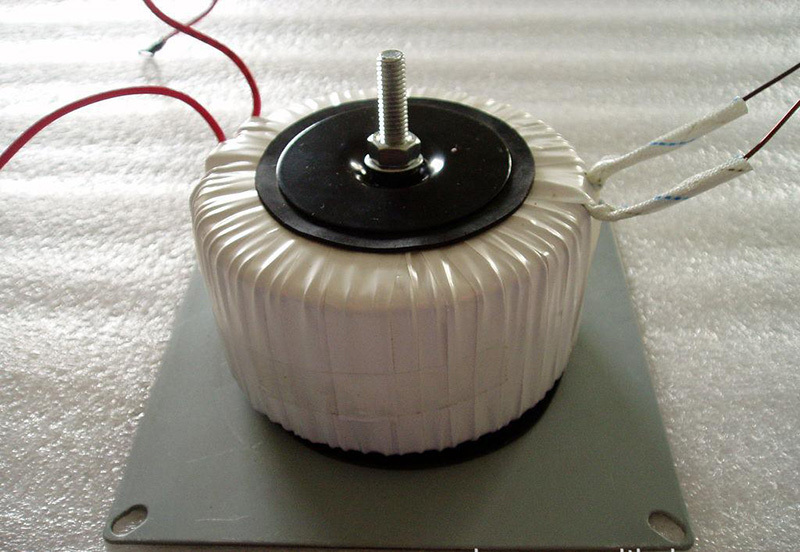
Understanding the Role of EC Transformers in Modern Electrical Systems
Release time:
Oct 04,2024
In today's rapidly advancing electrical landscape, the demand for efficient power solutions has led to the emergence of various technologies, among which EC transformers stand out. EC transformers, or electronic transformers, are compact, high-performance devices designed to convert electrical energy with minimal losses. Their significance in electrical systems cannot be overstated, particularly in applications requiring high efficiency and reliability.
The core function of an EC transformer is to step down voltage levels, enabling the safe and efficient distribution of electrical power. Unlike traditional transformers, which operate on electromagnetic induction, EC transformers utilize electronic circuitry to achieve voltage conversion. This electronic approach not only reduces the size and weight of the transformer but also enhances its efficiency, making it an ideal choice for a variety of applications.
One of the most notable advantages of EC transformers is their energy efficiency. They are designed to operate with lower no-load losses compared to conventional transformers, which means they consume less power when not actively powering a load. This characteristic is particularly beneficial in residential and commercial lighting applications, where they can significantly reduce energy costs over time. Moreover, the design of EC transformers allows for a wider range of voltage and current compatibility, making them versatile components in electrical systems.
In addition to energy efficiency, EC transformers are known for their compact form factor. Their smaller size enables easier installation and integration into various systems, from LED lighting to electronic devices. This compactness does not compromise their performance; instead, it enhances their applicability in modern electrical setups where space is often at a premium.
Another essential aspect of EC transformers is their ability to provide stable output voltage. This stability is crucial in sensitive electronic applications where fluctuations in power supply can lead to performance issues or damage. By ensuring a consistent output, EC transformers contribute to the longevity and reliability of connected devices.
Furthermore, EC transformers are designed with safety features that protect both the device and the user. They include overcurrent protection and thermal shutdown mechanisms which prevent overheating and potential electrical hazards. This focus on safety is vital for industries and consumers who prioritize risk management in their electrical systems.
In summary, EC transformers play a critical role in modern electrical applications, offering energy efficiency, compact design, and reliable performance. Their ability to adapt to diverse voltage and current requirements positions them as indispensable components in the electrical engineering sector. As the industry continues to evolve, understanding the functionality and advantages of EC transformers will be essential for professionals aiming to optimize their electrical systems.



Copyright ©2023 Guangzhou Zhanhong Electronlc Co.,Ltd. |
| Business license | SEO