


NEWS
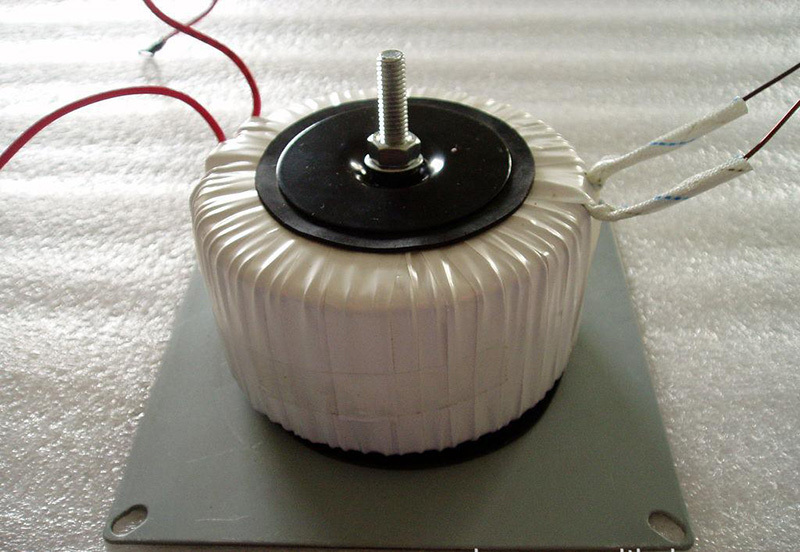
Understanding High and Low Frequency Transformers: Key Insights for Electrical Applications
Release time:
Nov 25,2024
High and low frequency transformers are crucial components in electrical engineering, serving distinct purposes based on the frequency of the electrical signals they handle. Their design and functionality are tailored to meet the needs of various applications, making them indispensable in today's electrical systems.
High frequency transformers are designed to operate at frequencies typically above 1 kHz, often reaching into the megahertz range. These transformers are commonly used in applications such as radio frequency (RF) transmission, power supplies for electronic devices, and signal processing circuits. The compact design and lightweight nature of high frequency transformers allow for efficient energy transfer while minimizing losses. Additionally, they often use ferrite cores, which exhibit low losses at high frequencies, thereby enhancing overall performance.
On the other hand, low frequency transformers usually operate at frequencies below 1 kHz. These transformers are prevalent in power distribution systems, such as those found in electrical substations and industrial machinery. Low frequency transformers are designed to handle higher power levels, providing essential voltage transformation and isolation between different circuits. Their construction often includes laminations to reduce eddy current losses, ensuring a more efficient operation.
One of the key differences between high and low frequency transformers lies in their core materials and design. High frequency transformers favor materials that enhance magnetic permeability and minimize losses, such as ferrites. In contrast, low frequency transformers typically utilize silicon steel laminations to achieve better performance at lower frequencies. This distinction is crucial, as it directly influences the efficiency and effectiveness of energy transfer in various applications.
Understanding the operational principles of high and low frequency transformers can aid engineers and technicians in selecting the appropriate transformer for specific applications. For instance, when designing circuits that involve low power and high frequencies, selecting a high frequency transformer can lead to enhanced efficiency and reduced size. Conversely, for high power applications operating at lower frequencies, a low frequency transformer would be the optimal choice.
In summary, both high and low frequency transformers play vital roles in the electrical engineering landscape. By understanding their unique characteristics and applications, professionals can make informed decisions and optimize their systems for better performance. Whether in power distribution or electronic device design, the right transformer can significantly impact the effectiveness and reliability of electrical systems.



Copyright ©2023 Guangzhou Zhanhong Electronlc Co.,Ltd. |
| Business license | SEO