


NEWS
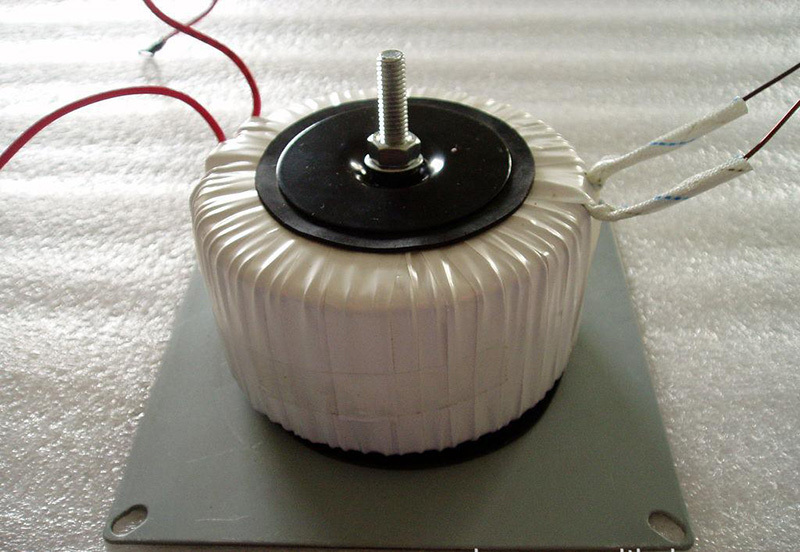
Understanding Encapsulated Transformers: A Comprehensive Guide
Release time:
Dec 05,2024
Encapsulated transformers represent a significant advancement in transformer technology, offering various benefits that make them a preferred choice in many electrical applications. Unlike traditional transformers, encapsulated transformers are designed with insulation and protective materials that encapsulate the core and windings. This encapsulation not only enhances their durability but also protects them from environmental factors such as moisture and dust, which can adversely affect the performance and lifespan of electrical devices.
One of the primary advantages of encapsulated transformers is their improved safety features. The encapsulation helps to contain any potential electrical faults, reducing the risk of electric shock and enhancing the overall safety of electrical installations. This characteristic makes encapsulated transformers particularly suitable for use in public spaces, industrial settings, and residential areas where safety is a paramount concern.
Additionally, encapsulated transformers are known for their compact design. The encapsulated structure allows for a more efficient use of space, making them ideal for installations where space is limited. Their reduced footprint can lead to more efficient layout designs in electrical systems, creating opportunities for better integration with other components.
In terms of performance, encapsulated transformers exhibit excellent thermal management. The encapsulation helps dissipate heat more effectively than traditional transformers, which can lead to improved efficiency and reduced operational costs. This thermal stability is essential in applications that require continuous operation, such as renewable energy systems, industrial machinery, and telecommunications equipment.
The versatility of encapsulated transformers also deserves mention. They can be designed for a range of voltage levels and power ratings, making them suitable for various applications, from small electronic devices to large industrial equipment. Their adaptability allows engineers to customize transformers for specific needs, ensuring optimal performance in diverse environments.
Maintenance of encapsulated transformers is generally straightforward, thanks to their protective design. While regular inspections and testing are essential, the encapsulated nature of these transformers means they are less susceptible to external damage and contamination. This reduced maintenance requirement can lead to significant cost savings over time, as operational downtime and repair costs are minimized.
In conclusion, encapsulated transformers offer numerous benefits, including enhanced safety, compact design, improved thermal management, and versatility. Their ability to withstand environmental challenges while providing reliable performance makes them an attractive option for various electrical applications. Whether you are an engineer, technician, or simply interested in electrical systems, understanding encapsulated transformers can enrich your knowledge and help you make informed decisions in your projects.



Copyright ©2023 Guangzhou Zhanhong Electronlc Co.,Ltd. |
| Business license | SEO