

NEWS
Understanding Small Power Supply Series Transformers: Key Features and Applications
Release time:
Dec 15,2024
Small power supply series transformers play a vital role in electrical engineering, particularly in the realm of power conversion and management. These transformers are designed to step down voltage levels to a suitable range for electronic devices, ensuring that they operate efficiently and safely. Understanding how these transformers work and their applications can greatly benefit professionals in the electrical and electronic industries.
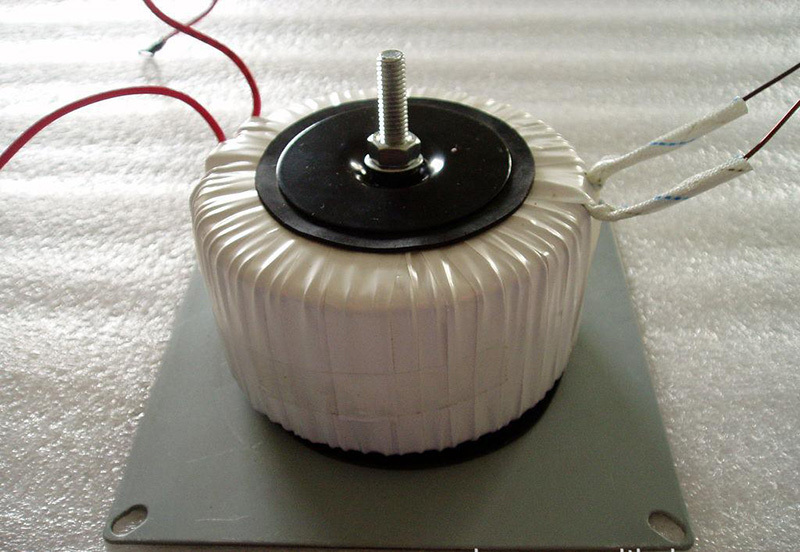
A small power supply series transformer typically consists of two windings: the primary winding, which receives the input voltage, and the secondary winding, which delivers the transformed output voltage. The voltage transformation occurs through electromagnetic induction, where the alternating current in the primary winding creates a magnetic field that induces a current in the secondary winding. This principle is fundamental in various applications, including power supplies for consumer electronics, industrial equipment, and communication devices.
One of the key features of small power supply series transformers is their size. These transformers are engineered to occupy minimal space while delivering reliable performance. This compact design makes them ideal for applications where space is at a premium, such as in compact electronic devices, circuit boards, and appliances. Additionally, their lightweight nature allows for easier integration into various systems without adding excessive weight.
In terms of efficiency, small power supply series transformers are designed to minimize energy losses during the voltage conversion process. This efficiency is crucial for reducing operational costs and improving the overall sustainability of electronic systems. Moreover, these transformers often come with various insulation and temperature rating options to cater to specific operational environments, ensuring safety and longevity.
The applications of small power supply series transformers are diverse. They are commonly used in power adapters, chargers, and LED drivers, where precise voltage regulation is necessary. In industrial settings, these transformers can be found in control panels and automation systems, providing the necessary voltage levels for sensors and actuators. Furthermore, they play a critical role in communication devices, ensuring that signal integrity is maintained while powering up essential components.
In conclusion, small power supply series transformers are essential components in the electrical engineering field, facilitating voltage transformation in a compact and efficient manner. Their ability to provide reliable power for various applications makes them indispensable in today’s electronic landscape. Understanding their features and uses can help professionals make informed decisions when selecting the appropriate transformer for their projects. As technology continues to evolve, the importance of these transformers in powering the devices of tomorrow cannot be overstated.



Copyright ©2023 Guangzhou Zhanhong Electronlc Co.,Ltd. |
| Business license | SEO