


NEWS
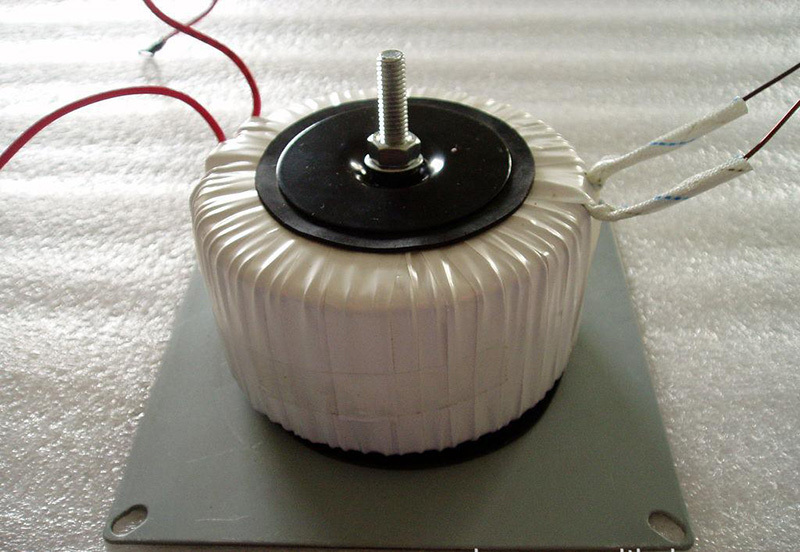
Encapsulated Transformers: Enhancing Performance in High-Voltage Applications
Release time:
Jan 19,2025
Encapsulated Transformers: Enhancing Performance in High-Voltage Applications
Table of Contents
1. Introduction to Encapsulated Transformers
2. What Are Encapsulated Transformers?
3. Key Advantages of Encapsulated Transformers
3.1 Enhanced Safety Features
3.2 Improved Efficiency and Performance
3.3 Environmental Resistance
4. Design and Construction of Encapsulated Transformers
4.1 Insulation Materials
4.2 Cooling Mechanisms
5. Applications of Encapsulated Transformers in High-Voltage Systems
5.1 Power Distribution Networks
5.2 Renewable Energy Systems
5.3 Industrial Applications
6. Comparison with Conventional Transformers
7. Common FAQs about Encapsulated Transformers
8. Conclusion: The Future of Encapsulated Transformers
1. Introduction to Encapsulated Transformers
In the ever-evolving world of electrical engineering, **encapsulated transformers** play a pivotal role in enhancing performance, particularly in high-voltage applications. As industries demand more efficient and reliable power solutions, encapsulated transformers emerge as a critical component in ensuring safety and operational efficiency. This article delves deep into the intricacies of encapsulated transformers, their unique design, advantages, applications, and future potential.
2. What Are Encapsulated Transformers?
Encapsulated transformers are specially designed electrical devices that convert alternating current (AC) voltages while providing superior insulation and protection from environmental factors. They are encased in a rigid, protective material, typically resin, which safeguards the transformer from moisture, dust, and other contaminants. This encapsulation not only enhances durability but also significantly reduces the risk of electrical faults.
3. Key Advantages of Encapsulated Transformers
The advantages of using encapsulated transformers are numerous, especially in high-voltage applications where safety and reliability are paramount.
3.1 Enhanced Safety Features
Encapsulated transformers offer exceptional safety features by minimizing the risk of electrical shocks and short circuits. The encapsulation acts as an insulator, providing an additional layer of protection against electrical hazards. This ensures that they can be safely operated in both indoor and outdoor environments, making them ideal for various applications.
3.2 Improved Efficiency and Performance
These transformers are designed to operate at high efficiency levels, contributing to reduced energy losses. The encapsulated design minimizes heat generation, allowing for better thermal management. This efficiency translates into lower operational costs and enhanced performance in high-voltage applications.
3.3 Environmental Resistance
Encapsulated transformers are engineered to withstand harsh environmental conditions. The protective casing shields the internal components from moisture, chemicals, and physical damage. This robustness is especially crucial for installations in industrial settings or remote locations where exposure to adverse conditions is inevitable.
4. Design and Construction of Encapsulated Transformers
The design of encapsulated transformers is a sophisticated process that involves careful consideration of materials and construction methods.
4.1 Insulation Materials
The insulation used in encapsulated transformers is typically made from high-grade resin, which provides excellent dielectric properties. This insulation not only protects against electrical faults but also ensures the longevity of the transformer by preventing degradation due to environmental factors.
4.2 Cooling Mechanisms
Effective cooling mechanisms are integral to the performance of encapsulated transformers. Many designs incorporate natural convection cooling, while some advanced models use forced air or liquid cooling methods. This ensures that the transformer operates within optimal temperature ranges, further enhancing reliability.
5. Applications of Encapsulated Transformers in High-Voltage Systems
Encapsulated transformers find applications across various sectors, particularly in high-voltage systems where performance and safety are critical.
5.1 Power Distribution Networks
In power distribution networks, encapsulated transformers are used to step down high voltages for safe distribution to residential and commercial users. Their robust design and safety features make them suitable for urban and rural areas alike.
5.2 Renewable Energy Systems
As the world shifts towards renewable energy sources, encapsulated transformers are becoming increasingly essential in solar and wind energy systems. They facilitate the conversion and distribution of electricity generated from these sources while ensuring maximum efficiency and reliability.
5.3 Industrial Applications
Industries that require high levels of electrical performance, such as manufacturing and mining, benefit significantly from encapsulated transformers. Their ability to withstand harsh operating conditions while delivering reliable power makes them a preferred choice in these sectors.
6. Comparison with Conventional Transformers
When comparing encapsulated transformers with conventional transformers, several key differences emerge. Encapsulated transformers boast superior insulation, enhanced safety, and greater environmental resistance. Conventional transformers, while effective, often lack the robustness required for extreme conditions and may require additional protective measures.
7. Common FAQs about Encapsulated Transformers
Q1: What is the lifespan of an encapsulated transformer?
The lifespan of an encapsulated transformer can vary based on usage and environmental conditions, but they typically last between 20 to 30 years with proper maintenance.
Q2: How do encapsulated transformers perform in extreme temperatures?
Encapsulated transformers are designed to operate efficiently in extreme temperatures, thanks to their advanced insulation materials and cooling mechanisms.
Q3: Are encapsulated transformers maintenance-free?
While encapsulated transformers require less maintenance than conventional transformers due to their protective casing, regular inspections are recommended to ensure optimal performance.
Q4: Can encapsulated transformers be used in outdoor installations?
Yes, encapsulated transformers are ideally suited for outdoor installations due to their protective features that shield against environmental factors.
Q5: What are the common sizes of encapsulated transformers?
Encapsulated transformers come in various sizes, with ratings typically ranging from a few kVA to several MVA, depending on the application requirements.
8. Conclusion: The Future of Encapsulated Transformers
Encapsulated transformers are revolutionizing the landscape of electrical engineering, particularly in high-voltage applications. Their unique design offers a myriad of benefits, including enhanced safety, improved efficiency, and exceptional environmental resistance. As industries continue to evolve and demand more reliable power solutions, the role of encapsulated transformers will only grow in significance. Their adaptability to various applications, coupled with ongoing advancements in technology, promises a bright future for encapsulated transformers in the electrical sector.



Copyright ©2023 Guangzhou Zhanhong Electronlc Co.,Ltd. |
| Business license | SEO