


NEWS
A Comprehensive Guide to Choosing Between High and Low Frequency Transformers
Release time:
Feb 18,2025
A Comprehensive Guide to Choosing Between High and Low Frequency Transformers
Transformers play an essential role in the field of electrical engineering, serving to transfer electrical energy between two or more circuits through electromagnetic induction. Choosing between high frequency and low frequency transformers can be a daunting task, especially when various factors influence their performance and suitability for specific applications. In this guide, we will delve into the characteristics, advantages, applications, and considerations of both high and low frequency transformers, equipping you with the knowledge necessary to make an informed decision.
Table of Contents
- 1. Understanding Transformers: Basics and Functions
- 2. High Frequency Transformers: Characteristics and Applications
- 3. Low Frequency Transformers: Characteristics and Applications
- 4. Key Differences Between High and Low Frequency Transformers
- 5. Advantages of High and Low Frequency Transformers
- 6. Factors to Consider When Choosing a Transformer
- 7. Common Uses for High and Low Frequency Transformers
- 8. Frequently Asked Questions
- 9. Conclusion: Making the Right Choice
1. Understanding Transformers: Basics and Functions
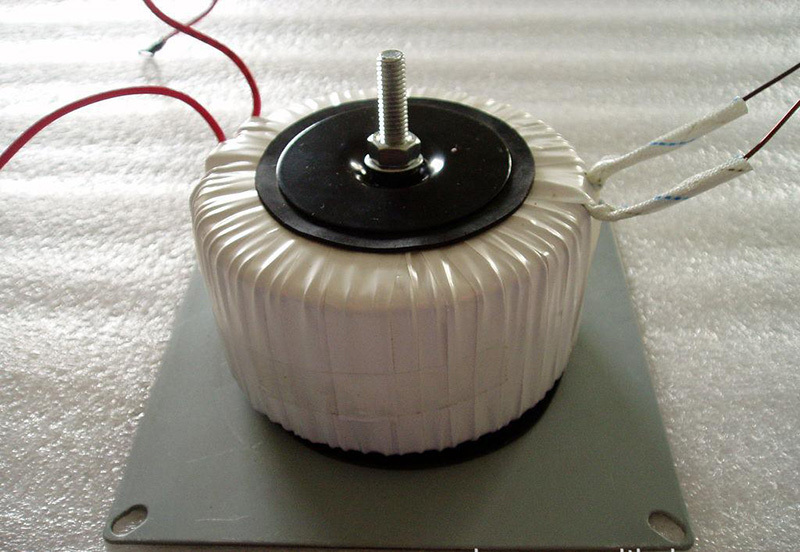
Transformers are electrical devices designed to change the voltage level of an alternating current (AC) in a circuit. They consist of two coils of wire, known as primary and secondary windings, wrapped around a magnetic core. The primary winding receives the input voltage, and the alternating current generates a magnetic field around the coil. This magnetic field induces a voltage in the secondary winding, allowing for energy transfer between the two circuits.
Transformers can be categorized based on various parameters, including their frequency range. High frequency transformers typically operate above 1 kHz, while low frequency transformers operate at frequencies below this threshold. The choice between these two types greatly depends on the specific needs of your application, including efficiency, size, weight, and cost.
2. High Frequency Transformers: Characteristics and Applications
High frequency transformers have unique characteristics that set them apart from their low frequency counterparts. They are designed to operate at higher frequencies, which can be advantageous in numerous applications. Here are some of the key characteristics of high frequency transformers:
Advantages of High Frequency Transformers
- Compact Size: High frequency transformers can be designed to be much smaller and lighter than low frequency transformers, making them ideal for applications where space is limited.
- Higher Efficiency: Operating at higher frequencies allows for reduced core losses, leading to improved efficiency in energy transfer.
- Improved Performance: These transformers can achieve better voltage regulation and lower output ripple, enhancing overall performance in sensitive electronic circuits.
Applications of High Frequency Transformers
High frequency transformers find applications in various industries, including:
- Switching Power Supplies: These transformers are critical in converting input voltage to various output levels efficiently.
- Telecommunications: Used in signal processing and transmission, high frequency transformers enhance the performance of communication systems.
- Renewable Energy Systems: They play a role in inverters for solar and wind energy systems, where efficient energy conversion is essential.
3. Low Frequency Transformers: Characteristics and Applications
Low frequency transformers operate at frequencies below 1 kHz and are known for their robustness and reliability. Let’s explore their characteristics and applications:
Advantages of Low Frequency Transformers
- Durability: Low frequency transformers are built to withstand heavy loads and rough operating conditions, making them suitable for industrial applications.
- Lower Cost: Generally, they are less expensive to manufacture than high frequency transformers, providing a cost-effective solution for many applications.
- Simple Design: Their designs are often simpler, which can lead to easier maintenance and repair.
Applications of Low Frequency Transformers
Low frequency transformers are widely used in various sectors, including:
- Power Distribution: They are common in electrical substations for stepping down high voltages for residential and commercial use.
- Audio Equipment: Used in amplifiers and audio systems for signal transformation and impedance matching.
- Industrial Machinery: Essential in heavy machinery to provide necessary voltage levels for operation.
4. Key Differences Between High and Low Frequency Transformers
Understanding the key differences between high and low frequency transformers is crucial for making an informed choice:
Operational Characteristics
- Frequency Range: High frequency transformers operate above 1 kHz, while low frequency transformers work below this limit.
- Size and Weight: High frequency transformers are generally smaller and lighter than low frequency transformers.
- Efficiency: High frequency transformers often provide higher efficiency due to reduced core losses.
Cost and Design
- Manufacturing Cost: Low frequency transformers tend to be less expensive to manufacture than high frequency transformers.
- Complexity: High frequency transformers usually have more complex designs, while low frequency transformers are simpler and more robust.
5. Advantages of High and Low Frequency Transformers
Both transformer types come with unique advantages that cater to different needs:
High Frequency Transformers
- Space-saving: Ideal for compact electronic devices.
- Efficiency: More efficient in applications requiring rapid energy conversion.
- Better performance: Enhanced performance in sensitive applications, such as telecommunications.
Low Frequency Transformers
- Reliability: Durable and reliable for heavy-duty applications.
- Cost-effective: Lower production costs appeal to budget-conscious projects.
- Ease of Maintenance: Simple design facilitates easier maintenance and repair.
6. Factors to Consider When Choosing a Transformer
When deciding between high and low frequency transformers, several factors should be taken into account:
Application Requirements
Evaluate the specific requirements of your project. The application will largely dictate the type of transformer required. For instance, telecommunications equipment may necessitate the use of high frequency transformers due to their efficiency and performance capabilities.
Cost Considerations
Budget constraints can influence your choice. Low frequency transformers usually present a more affordable option for applications that do not require the advanced features of high frequency transformers.
Space and Size Constraints
In compact electronic devices, size matters. High frequency transformers offer a solution by providing efficient energy transfer in a smaller form factor.
Efficiency and Performance Needs
Consider the efficiency levels required for your application. High frequency transformers are typically more efficient, which may be crucial for energy-sensitive projects.
7. Common Uses for High and Low Frequency Transformers
Understanding the common applications for both types of transformers can guide your decision-making process:
High Frequency Transformers
- Used in switching power supplies for computers and electronic devices.
- Critical components in RF (radio frequency) applications.
- Integral to the operation of DC-DC converters in battery management systems.
Low Frequency Transformers
- Essential in power distribution for industrial and residential setups.
- Widely used in electrical isolation applications.
- Commonly found in audio systems for impedance matching and signal transformation.
8. Frequently Asked Questions
What is the primary difference between high frequency and low frequency transformers?
The main difference lies in their operational frequency range, with high frequency transformers operating above 1 kHz and low frequency transformers below this threshold.
What are the advantages of using high frequency transformers?
High frequency transformers are more compact, efficient, and provide improved performance in sensitive applications.
When should I choose a low frequency transformer?
Choose a low frequency transformer when durability, cost, and reliability are your primary concerns, especially for industrial applications.
Can high frequency transformers replace low frequency transformers?
In some applications, high frequency transformers can replace low frequency transformers, but it is crucial to evaluate the specific needs of the project first.
Are high frequency transformers more expensive than low frequency transformers?
Generally, high frequency transformers are more expensive due to their complex design and materials, whereas low frequency transformers are typically more cost-effective.
9. Conclusion: Making the Right Choice
Choosing between high and low frequency transformers is a critical decision that impacts the efficiency, size, cost, and performance of your electrical projects. By understanding the characteristics, applications, and key differences of both types, you can make an informed choice that aligns with your specific requirements. Whether you opt for the compact efficiency of high frequency transformers or the reliability and cost-effectiveness of low frequency transformers, being equipped with knowledge will guide you toward the best solution for your needs.



Copyright ©2023 Guangzhou Zhanhong Electronlc Co.,Ltd. |
| Business license | SEO