


NEWS
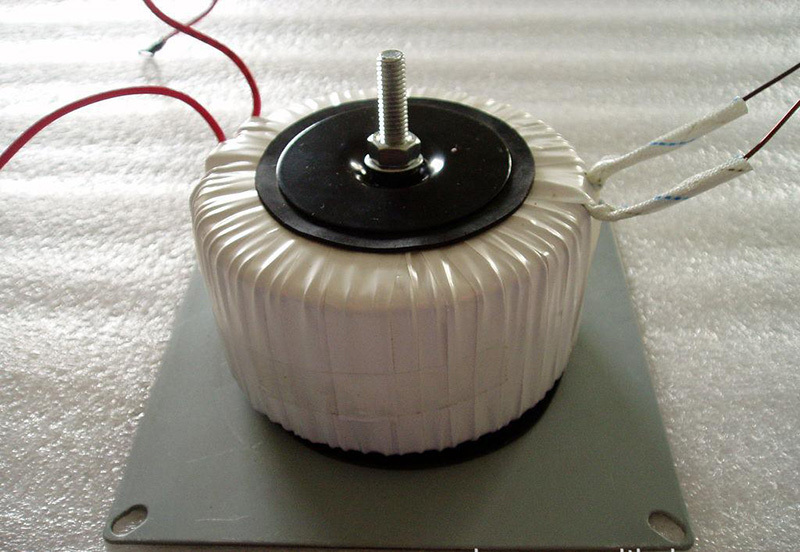
How High Frequency Transformers Are Revolutionizing Electrical Engineering
Release time:
Apr 19,2025
How High Frequency Transformers Are Revolutionizing Electrical Engineering
Table of Contents
- 1. Introduction to High Frequency Transformers
- 2. Importance of High Frequency Transformers in Modern Engineering
- 3. Working Principle of High Frequency Transformers
- 4. Advantages of High Frequency Transformers
- 5. Applications of High Frequency Transformers in Various Industries
- 6. Challenges and Solutions in High Frequency Transformer Design
- 7. The Future of High Frequency Transformers in Electrical Engineering
- 8. Conclusion
- 9. FAQs about High Frequency Transformers
1. Introduction to High Frequency Transformers
High frequency transformers are specialized electrical devices designed to transfer electrical energy between two or more circuits through electromagnetic induction. Unlike traditional transformers, which generally operate at a frequency of 50 or 60 Hz, high frequency transformers operate at frequencies ranging from a few kilohertz to several megahertz. This advancement signifies a paradigm shift in electrical engineering, enabling more efficient energy conversion and distribution.
2. Importance of High Frequency Transformers in Modern Engineering
The importance of high frequency transformers in modern electrical engineering cannot be overstated. They play a crucial role in numerous applications, including power supplies, electric vehicles, and telecommunications. Their ability to handle higher frequencies leads to reduced size and weight, making them ideal for compact electronic devices.
The increasing demand for energy-efficient systems has further highlighted the significance of these transformers, as they minimize energy loss, thereby enhancing overall system performance. As industries look to innovate and integrate cutting-edge technology, high frequency transformers have become an essential component in the quest for sustainable energy solutions.
3. Working Principle of High Frequency Transformers
High frequency transformers operate on the principle of electromagnetic induction. They consist of two coils of wire—primary and secondary—wound around a magnetic core. When an alternating current flows through the primary coil, it generates a magnetic field that induces a voltage in the secondary coil.
The high frequency aspect allows for a rapid change in magnetic fields, which facilitates efficient energy transfer. A significant advantage of operating at high frequencies is the use of smaller core materials, which reduces the overall size and weight of the transformer while maintaining efficiency.
3.1 Key Components of High Frequency Transformers
Understanding the components that define high frequency transformers is essential for grasping their functionality:
- **Core Materials**: Ferrite cores are commonly used due to their high magnetic permeability and low losses at high frequencies.
- **Windings**: The choice of winding configurations and wire materials greatly impacts the transformer’s efficiency and performance.
- **Insulation**: Proper insulation is critical to prevent losses and ensure safety at elevated operating frequencies.
4. Advantages of High Frequency Transformers
High frequency transformers offer several advantages that set them apart from traditional transformers. Here are some of the most notable benefits:
4.1 Compact Size and Lightweight Design
One of the most significant benefits of high frequency transformers is their reduced size and weight. This reduction is primarily due to the smaller core materials and the ability to use higher operating frequencies, making them ideal for applications in portable and space-constrained environments.
4.2 Enhanced Efficiency and Performance
High frequency transformers exhibit lower energy losses compared to their low-frequency counterparts. The efficient energy transfer minimizes heat generation, leading to improved overall system performance. This efficiency is particularly crucial in applications such as power supplies, where energy conservation is a priority.
4.3 Versatile Applications
These transformers find applications across diverse industries, including telecommunications, renewable energy systems, and electric vehicles. Their versatility allows engineers to design innovative solutions that meet specific industry demands.
4.4 Improved Thermal Management
Operating at high frequencies helps in managing thermal conditions more effectively. The reduced heat generation enhances longevity and reliability, making high frequency transformers a preferred choice in various applications.
5. Applications of High Frequency Transformers in Various Industries
High frequency transformers have found their niche in various fields, each benefiting from their unique advantages. Here are some key applications:
5.1 Power Electronics
In power electronics, high frequency transformers are essential for converting voltages and isolating circuits. They are widely used in switch-mode power supplies, ensuring efficient energy transformation.
5.2 Telecommunications
Telecommunications systems utilize high frequency transformers to transmit signals over long distances. Their ability to handle high-speed data makes them integral to modern communication networks.
5.4 Renewable Energy Systems
In renewable energy, particularly in solar inverters and wind energy converters, high frequency transformers play a pivotal role in converting and managing power generated from natural sources.
5.5 Electric Vehicles (EVs)
As the demand for electric vehicles rises, high frequency transformers are crucial for power management systems, ensuring efficient battery charging and energy distribution within the vehicle.
6. Challenges and Solutions in High Frequency Transformer Design
While high frequency transformers offer numerous benefits, designing them comes with challenges that must be addressed. Some of the key challenges include:
6.1 Core Losses
Core losses due to hysteresis and eddy currents can impact efficiency. To mitigate these losses, engineers often select advanced core materials and optimize the design to minimize magnetic flux leakage.
6.2 Insulation Requirements
As operating frequencies increase, so do the insulation demands. Engineers must ensure that insulation materials can withstand high voltage and thermal stresses.
6.3 Electromagnetic Interference (EMI)
High frequency operation can generate EMI, which affects nearby electronic devices. Shielding and careful circuit layout design are crucial in minimizing EMI effects.
7. The Future of High Frequency Transformers in Electrical Engineering
The future of high frequency transformers looks promising, with ongoing advancements in materials and technologies. As the push for energy efficiency and compact designs continues, high frequency transformers are expected to play an increasingly vital role in the evolution of electrical systems.
New materials such as nanocrystalline alloys are being researched to further enhance efficiency and reduce losses. Additionally, the integration of smart technologies with high frequency transformers can lead to improved monitoring and control capabilities, allowing for more sophisticated energy management systems.
8. Conclusion
High frequency transformers are undeniably revolutionizing electrical engineering, providing efficient, compact, and versatile solutions across various applications. Their ability to operate at elevated frequencies offers significant advantages that traditional transformers cannot match. As technology continues to evolve, we can expect to see even greater innovations in high frequency transformer design, paving the way for a more sustainable and efficient electrical future.
9. FAQs about High Frequency Transformers
What is a high frequency transformer?
A high frequency transformer is an electrical device that transfers energy between circuits using electromagnetic induction at frequencies higher than the standard 50/60 Hz.
What are the benefits of using high frequency transformers?
The benefits include reduced size and weight, enhanced efficiency, thermal management, and versatile applications in various industries.
How do high frequency transformers differ from traditional transformers?
Unlike traditional transformers that operate at low frequencies, high frequency transformers use smaller core materials and are designed for efficient energy transfer at elevated frequencies.
What industries utilize high frequency transformers?
High frequency transformers are primarily used in power electronics, telecommunications, renewable energy systems, and electric vehicles.
What challenges are faced in high frequency transformer design?
Challenges include core losses, insulation requirements, and managing electromagnetic interference (EMI).
As the demand for innovative electrical solutions rises, high frequency transformers will continue to be at the forefront of electrical engineering advancements, reshaping the landscape of modern technology.



Copyright ©2023 Guangzhou Zhanhong Electronlc Co.,Ltd. |
| Business license | SEO