

NEWS
Understanding R-Type Transformers: A Comprehensive Guide for Electrical Professionals
Release time:
Apr 24,2025
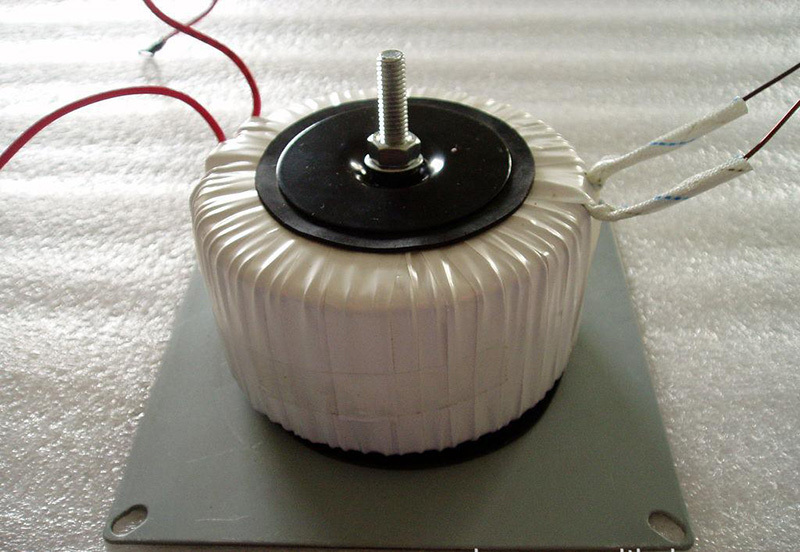
R-type transformers are a specific category of electronic transformers known for their distinctive design and functionality. These transformers play a crucial role in electrical engineering, especially in applications that require efficient voltage conversion and regulation. Unlike traditional transformers, R-type transformers are specifically designed to handle low voltage and high frequency, making them suitable for a variety of electronic devices.
The fundamental principle behind R-type transformers is electromagnetic induction, which involves transferring electrical energy between circuits through magnetic fields. In R-type transformers, the core is usually constructed from a high-grade magnetic material, which enhances their efficiency and performance. This design minimizes energy losses and allows for a compact size, making them ideal for space-constrained environments.
One of the primary applications of R-type transformers is in electronic devices that require precise voltage control, such as power supplies for computers, televisions, and other consumer electronics. Their ability to operate at higher frequencies allows for smoother voltage regulation, which is essential in maintaining the stability of electronic circuits.
R-type transformers also exhibit excellent thermal performance, which is critical in reducing the risk of overheating in sensitive electronic equipment. This characteristic is particularly beneficial in industrial applications, where equipment must operate under demanding conditions without compromising safety or performance.
In terms of installation and maintenance, R-type transformers are relatively straightforward to integrate into existing electrical systems. However, it is essential for electrical professionals to ensure that these transformers are properly rated for the intended application to prevent any potential issues. This includes considering factors such as load requirements, voltage ratings, and environmental conditions.
Moreover, understanding the technical specifications of R-type transformers is vital for optimizing their performance. Key parameters include the turns ratio, which determines the voltage transformation capability, and the impedance, which influences the efficiency of power transfer. Knowledge of these specifications can aid in selecting the right transformer for specific applications, enhancing overall system reliability.
In conclusion, R-type transformers are integral components in the realm of electrical engineering, offering efficient voltage transformation and robust performance in various applications. Their unique design and operational capabilities make them a preferred choice for many electronic devices. For electrical professionals, a deep understanding of these transformers is essential to leverage their benefits effectively, ensuring optimal performance and reliability in their projects.



Copyright ©2023 Guangzhou Zhanhong Electronlc Co.,Ltd. |
| Business license | SEO