

NEWS
Understanding R Type Transformers: What You Need to Know
Release time:
Apr 29,2025
Understanding R Type Transformers: What You Need to Know
Table of Contents
- What Are R Type Transformers?
- Working Principle of R Type Transformers
- Advantages of R Type Transformers
- Applications of R Type Transformers
- Maintenance and Care for R Type Transformers
- Common Issues with R Type Transformers
- Comparison with Other Transformer Types
- Frequently Asked Questions
What Are R Type Transformers?
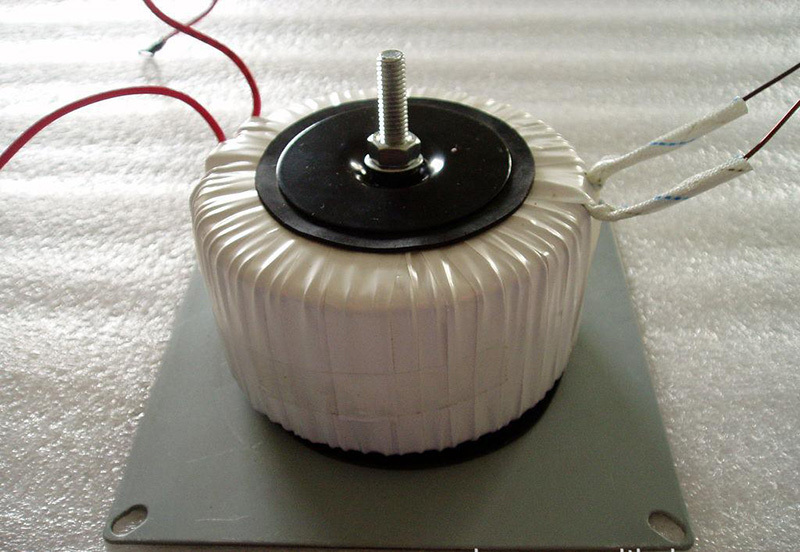
R Type transformers, primarily used in electrical systems, are a specific design of transformers that efficiently transfer electrical energy between circuits through electromagnetic induction. These transformers are characterized by their unique core design and winding configurations that enhance performance and energy efficiency. Unlike traditional transformers that may have a more straightforward design, R Type transformers feature a core that minimizes losses and improves overall functionality.
Working Principle of R Type Transformers
The working principle of R Type transformers hinges on the concept of electromagnetic induction. When alternating current flows through the primary winding, it generates a magnetic field that induces a voltage in the secondary winding. This process is highly efficient due to the transformer’s core design, which facilitates better flux linkage between the windings. The R Type configuration is specifically engineered to reduce energy losses and improve performance, making it ideal for various applications.
Magnetic Core Design
The magnetic core of R Type transformers is typically constructed from high-grade silicon steel or ferrite materials. This design is crucial for enhancing the magnetic field's strength, thereby improving energy transfer efficiency. The core's configuration minimizes hysteresis losses and eddy currents, leading to a more efficient operation compared to standard transformer designs.
Winding Configuration
R Type transformers utilize a specific winding configuration that further optimizes their performance. The windings are arranged to maximize the magnetic coupling between the primary and secondary coils, which enhances voltage transformation ratios. This configuration allows for greater flexibility in voltage regulation and load handling, making R Type transformers suitable for various applications.
Advantages of R Type Transformers
R Type transformers offer several advantages that make them a preferred choice in many electrical applications. These benefits include:
High Efficiency
R Type transformers are designed to minimize energy losses, making them highly efficient. The optimized core and winding design lead to reduced heat generation and improved energy transfer, resulting in lower operational costs.
Compact Size
Due to their efficient design, R Type transformers can be manufactured in a more compact size without compromising performance. This feature is particularly beneficial in space-constrained environments where traditional transformers may not fit.
Better Voltage Regulation
The unique winding configuration of R Type transformers allows for superior voltage regulation capabilities. This ensures that the output voltage remains stable despite variations in load, making them suitable for sensitive electrical equipment.
Applications of R Type Transformers
R Type transformers find applications across a broad spectrum of industries and sectors. Their versatility and reliability make them suitable for:
Power Distribution
In power distribution networks, R Type transformers are employed to step down high voltage levels to safer, usable voltage levels for residential and commercial use.
Electronics and Appliances
Many electronic devices and household appliances utilize R Type transformers to ensure proper voltage levels for optimal performance and safety.
Industrial Machinery
In industrial settings, R Type transformers are used to provide the necessary voltage levels for machinery and equipment, ensuring smooth operation and reducing the risk of electrical failure.
Maintenance and Care for R Type Transformers
Proper maintenance of R Type transformers is essential to ensure their longevity and optimal performance. Regular inspections and preventive measures can help identify potential issues before they escalate.
Regular Inspections
Conducting routine inspections of the transformer’s physical and electrical components can help detect wear and tear. Checking for signs of overheating, unusual noises, and loose connections is crucial for maintaining operational efficiency.
Cleaning and Dust Removal
Keeping the transformer clean from dust and debris is vital for preventing overheating and maintaining airflow. Regular cleaning should be scheduled based on the environment in which the transformer operates.
Common Issues with R Type Transformers
Despite their reliability, R Type transformers can experience common issues that users should be aware of:
Overheating
Overheating can occur due to excessive load or insufficient cooling. Monitoring temperature levels and ensuring proper ventilation can mitigate this issue.
Electrical Failures
Electrical failures may arise from insulation breakdown or short circuits. Regular maintenance and timely repairs can prevent significant downtime and costly replacements.
Comparison with Other Transformer Types
When comparing R Type transformers to other transformer types, such as step-up or isolation transformers, there are distinct differences in design and application:
R Type vs. Step-Up Transformers
While both R Type and step-up transformers serve to transform voltage levels, R Type transformers are primarily designed for efficiency and compactness, making them suitable for various applications. Step-up transformers are specifically used to increase voltage levels, making them less versatile.
R Type vs. Isolation Transformers
Isolation transformers provide electrical isolation between their primary and secondary windings, enhancing safety. In contrast, R Type transformers focus on efficiency and compactness, making them ideal for applications where space is limited.
Frequently Asked Questions
What is the main purpose of R Type transformers?
The primary purpose of R Type transformers is to efficiently transfer electrical energy between circuits, allowing for voltage adjustments as needed for various applications.
Are R Type transformers suitable for industrial use?
Yes, R Type transformers are widely used in industrial settings due to their efficiency, compact size, and reliable performance.
How do I maintain R Type transformers?
Regular inspections, cleaning, and monitoring of electrical components are essential for maintaining R Type transformers. Addressing any issues promptly will ensure a longer lifespan.
What are the common problems associated with R Type transformers?
Common issues include overheating, electrical failures, and insulation breakdown, which can often be prevented with proper maintenance.
Can R Type transformers be used in residential applications?
Yes, R Type transformers are suitable for residential applications where efficient voltage transformation is required, such as in household appliances and lighting systems.
Conclusion
Understanding R Type transformers is crucial for anyone involved in electrical engineering, electronics, or power distribution. Their unique design and efficient operational capabilities make them an essential component in various applications. By recognizing their advantages, maintenance needs, and potential issues, users can ensure optimal performance and longevity. Whether you are an engineer, technician, or enthusiast, mastering the knowledge of R Type transformers will empower you to make informed decisions in your electrical projects.



Copyright ©2023 Guangzhou Zhanhong Electronlc Co.,Ltd. |
| Business license | SEO