

NEWS
Understanding R Type Transformers: A Key Component in Electrical Engineering
Release time:
May 04,2025
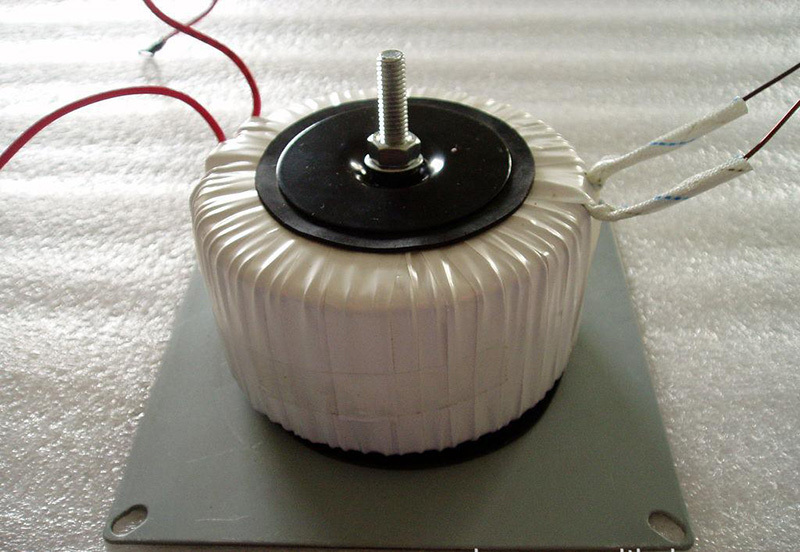
R type transformers, known for their distinctive design and functionality, play a crucial role in various electrical engineering applications. These transformers are primarily used to step up or step down voltage levels while ensuring minimal power loss and maintaining efficient energy transfer. Their robust construction allows them to handle a wide range of power levels, making them suitable for both industrial and commercial purposes.
One of the key advantages of R type transformers is their ability to provide high efficiency in energy conversion. This is particularly important in systems where reducing energy waste is critical. The design of R type transformers incorporates advanced materials and engineering techniques that enhance their performance, ensuring they meet the demands of modern electrical systems.
R type transformers are characterized by their core structure, which typically consists of high-quality silicon steel laminations. This core design minimizes eddy current losses, thereby improving overall efficiency. Furthermore, these transformers often feature a layered winding configuration, which contributes to their ability to manage higher power levels while maintaining thermal stability.
Applications of R type transformers span various sectors, including power generation, distribution, and industrial automation. In power generation, they are used to connect generators to the grid, ensuring that voltage levels are compatible with transmission requirements. In industrial settings, R type transformers help in powering heavy machinery and equipment, providing the necessary voltage and current levels for optimal operations.
Another notable aspect of R type transformers is their adaptability. They can be designed to meet specific operational requirements, such as varying voltage ratios and power ratings. This customization capability makes them a preferred choice for engineers and designers looking to optimize their electrical systems.
Additionally, R type transformers can be utilized in renewable energy applications, such as wind and solar power installations. As these energy sources become increasingly integrated into the power grid, the need for reliable transformers that can manage fluctuating energy inputs is paramount. R type transformers help ensure that energy from renewable sources is efficiently converted and delivered to consumers.
In summary, R type transformers are integral components in the electrical engineering landscape, offering high efficiency, adaptability, and reliability across various applications. Understanding their operational principles and benefits is essential for professionals in the field, as it enables them to make informed choices when integrating these devices into their electrical systems. With the growing emphasis on energy efficiency and sustainability, the importance of R type transformers is likely to continue increasing in the coming years.



Copyright ©2023 Guangzhou Zhanhong Electronlc Co.,Ltd. |
| Business license | SEO