

NEWS
Exploring the Top Benefits of Using R Type Transformers in Electrical Systems
Release time:
May 09,2025
Exploring the Top Benefits of Using R Type Transformers in Electrical Systems
Table of Contents
- 1. Introduction to R Type Transformers
- 2. What Are R Type Transformers?
- 3. Design and Construction of R Type Transformers
- 4. Key Benefits of Using R Type Transformers
- 4.1 Enhanced Efficiency
- 4.2 Improved Reliability
- 4.3 Increased Safety
- 4.4 Versatility in Applications
- 4.5 Cost-Effectiveness
- 5. Applications of R Type Transformers
- 6. Comparison with Other Transformer Types
- 7. Maintenance Tips for R Type Transformers
- 8. Frequently Asked Questions
- 9. Conclusion
1. Introduction to R Type Transformers
R type transformers are a fundamental component in electrical systems, renowned for their efficiency and reliability. As industries demand more advanced electrical solutions, understanding the benefits of R type transformers becomes essential. In this article, we will explore the various advantages provided by these transformers and their significance in modern electrical applications.
2. What Are R Type Transformers?
R type transformers, often referred to as "rectifier transformers," are specially designed to convert alternating current (AC) to direct current (DC). They play a crucial role in supplying power to various electronic devices and systems. The unique design of R type transformers enables them to handle a wide range of voltage levels, making them suitable for numerous applications across different industries.
3. Design and Construction of R Type Transformers
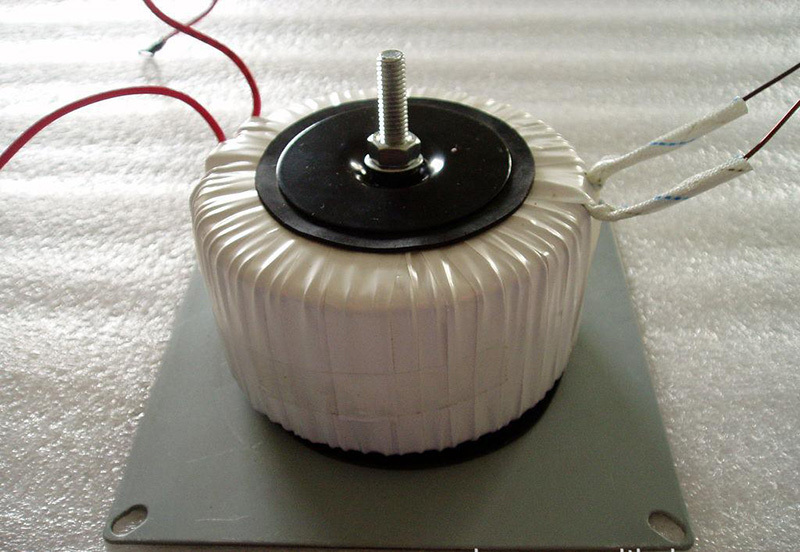
The construction of R type transformers involves several key components. Typically, they consist of a core made from high-quality silicon steel to enhance magnetic properties. The windings are strategically placed around the core to ensure optimal performance. Additionally, R type transformers are designed with precise insulation materials to prevent electrical leakage, ensuring safety and efficiency.
4. Key Benefits of Using R Type Transformers
R type transformers offer numerous advantages that make them an attractive choice for electrical systems. Below, we delve into the key benefits:
4.1 Enhanced Efficiency
One of the primary benefits of R type transformers is their enhanced efficiency. These transformers are designed to minimize energy losses during the conversion process. By utilizing high-quality materials and innovative design techniques, R type transformers can achieve efficiency ratings that often exceed 95%. This reduction in energy loss translates to significant cost savings over time.
4.2 Improved Reliability
Reliability is a critical factor in any electrical system. R type transformers are built to withstand various operational conditions, making them highly reliable. With robust construction and advanced design features, these transformers can operate continuously without failure, ensuring a consistent power supply to connected devices.
4.3 Increased Safety
Safety is paramount in electrical installations. R type transformers are equipped with advanced insulation and cooling systems, significantly reducing the risk of electrical faults or overheating. These safety features make R type transformers a preferred choice for settings where the risk of electrical hazards must be minimized.
4.4 Versatility in Applications
R type transformers are versatile components that can be employed in a wide array of applications. From industrial settings that require stable power supplies to commercial enterprises needing reliable electrical distribution, R type transformers can adapt to various operational needs. Their ability to function effectively across different environments makes them indispensable in the electrical industry.
4.5 Cost-Effectiveness
While the initial investment in R type transformers may be higher than that of standard transformers, their long-term cost-effectiveness is undeniable. The energy savings achieved through enhanced efficiency, combined with reduced maintenance needs, contribute to lower overall operational costs. Businesses looking to optimize their budgets can benefit significantly from incorporating R type transformers into their systems.
5. Applications of R Type Transformers
The versatility of R type transformers extends to various applications, including:
1. **Industrial Power Supplies**: R type transformers are often used in manufacturing plants to provide stable power for machinery and equipment.
2. **Telecommunications**: They play a vital role in telecommunications systems, where reliable power supply is essential for operation.
3. **Renewable Energy**: In renewable energy systems, R type transformers help manage power conversion effectively, enhancing system efficiency.
4. **Electronics**: From power supplies for consumer electronics to critical components in computer systems, R type transformers are integral to modern technology.
6. Comparison with Other Transformer Types
When comparing R type transformers to other transformer types, several differences stand out:
1. **Efficiency**: R type transformers tend to have higher efficiency ratings compared to traditional transformers, making them a better choice for energy-conscious applications.
2. **Cost**: While the upfront costs may be higher, the long-term savings in energy and maintenance make R type transformers more cost-effective in the long run.
3. **Safety Features**: R type transformers often include advanced safety features that may be lacking in other transformer designs, making them a safer option for critical applications.
7. Maintenance Tips for R Type Transformers
To ensure the longevity and performance of R type transformers, regular maintenance is essential. Here are key maintenance tips:
1. **Routine Inspections**: Conduct regular inspections to identify any signs of wear or damage. Early detection of issues can prevent costly repairs.
2. **Cleaning**: Keep the transformer clean and free from dust and debris, which can affect performance and safety.
3. **Thermal Monitoring**: Monitor temperature levels to prevent overheating. Installing thermal sensors can help in early detection of potential issues.
4. **Lubrication**: Ensure that moving parts are properly lubricated as needed to reduce wear and tear.
8. Frequently Asked Questions
1. What is the primary function of R type transformers?
The primary function of R type transformers is to convert alternating current (AC) into direct current (DC), which is essential for many electronic applications.
2. How do R type transformers improve efficiency?
R type transformers improve efficiency through advanced design features and high-quality materials that minimize energy losses during the conversion process.
3. Are R type transformers safe to use in industrial applications?
Yes, R type transformers are designed with robust safety features, making them suitable for industrial applications where reliability and safety are crucial.
4. What are the common applications for R type transformers?
Common applications for R type transformers include industrial power supplies, telecommunications, renewable energy systems, and various electronics.
5. How can I maintain my R type transformer?
Maintenance tips include routine inspections, cleaning, thermal monitoring, and ensuring proper lubrication of moving parts.
9. Conclusion
In conclusion, R type transformers offer a multitude of benefits that make them an essential component in modern electrical systems. Their enhanced efficiency, reliability, safety features, versatility, and long-term cost-effectiveness highlight their importance in various applications. By understanding the advantages of R type transformers, businesses and industries can make informed decisions that optimize their electrical systems and contribute to overall operational success. Incorporating R type transformers not only ensures a reliable power supply but also aligns with the growing demand for efficient and safe electrical solutions.



Copyright ©2023 Guangzhou Zhanhong Electronlc Co.,Ltd. |
| Business license | SEO