

NEWS
Understanding Type C Transformers: A Key Component in Electrical Engineering
Release time:
May 14,2025
Type C transformers are essential components in the electrical engineering sector, particularly when dealing with voltage regulation and power distribution. These transformers are specifically designed to convert electrical energy from one voltage level to another, ensuring that electrical equipment operates safely and efficiently.
One of the primary functions of a Type C transformer is to step down high voltage levels to a more manageable voltage that can be used in residential, commercial, and industrial settings. This is crucial for protecting sensitive electronic equipment from voltage spikes and ensuring optimal performance. By providing the right voltage, Type C transformers help in minimizing energy loss, enhancing the overall efficiency of electrical systems.
In addition to step-down applications, Type C transformers can also be used in step-up scenarios. This is often necessary when the generated electrical energy needs to be transmitted over long distances. By increasing the voltage level, these transformers reduce the current, which helps in minimizing energy loss due to resistance in wires. This makes Type C transformers vital in power distribution networks, where they facilitate the safe transport of electricity across vast distances.
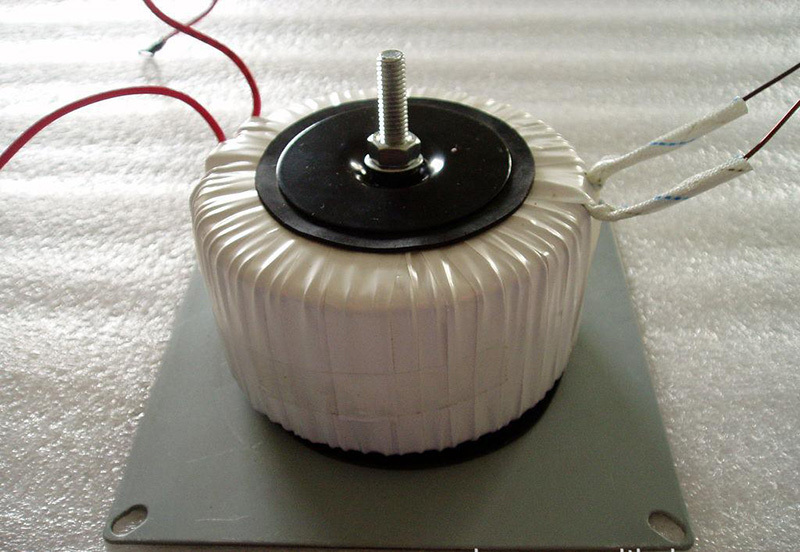
A key feature of Type C transformers is their construction, which typically includes a magnetic core and a coil winding system. The magnetic core is made of ferromagnetic materials, allowing it to channel and enhance the magnetic field created by the electrical current. The coils, which are wound around the core, are responsible for the actual transformation of voltage levels. When alternating current (AC) flows through the primary coil, it creates a magnetic field in the core, inducing a voltage in the secondary coil and thus transforming the voltage as required.
The application of Type C transformers extends beyond just voltage conversion. They are also used in isolation, providing separation between the primary and secondary circuits. This isolation helps protect equipment and personnel from electrical faults, making Type C transformers a vital safety feature in electrical installations. Additionally, they are commonly used in power supply systems for electronic devices, ensuring stable and reliable operation.
In summary, Type C transformers play a crucial role in the realm of electrical engineering. They are indispensable in voltage regulation, power distribution, and safety isolation. Understanding their functionality and applications can significantly benefit those involved in electrical systems design and maintenance, ensuring a reliable and efficient energy supply for various industries. Whether you are working with residential projects or large-scale industrial applications, appreciating the importance of Type C transformers will help you make informed decisions about your electrical systems.



Copyright ©2023 Guangzhou Zhanhong Electronlc Co.,Ltd. |
| Business license | SEO