

NEWS
How Type C Transformers Enhance Power Efficiency in Electrical Applications
Release time:
May 29,2025
How Type C Transformers Enhance Power Efficiency in Electrical Applications
Table of Contents
- 1. Introduction to Type C Transformers
- 2. Understanding Transformers and Their Functionality
- 3. What are Type C Transformers?
- 4. Benefits of Using Type C Transformers
- 5. Applications of Type C Transformers in Various Industries
- 6. Comparison of Type C Transformers with Other Transformer Types
- 7. Maintenance and Best Practices for Type C Transformers
- 8. Frequently Asked Questions
- 9. Conclusion
1. Introduction to Type C Transformers
In the ever-evolving landscape of electrical engineering, **Type C Transformers** have emerged as a pivotal component for enhancing power efficiency in various applications. These transformers are designed to optimize energy use, contributing to sustainability efforts while delivering reliable performance across diverse sectors. This article explores the nuances of Type C Transformers, focusing on how they improve power efficiency, their benefits, and their applications.
2. Understanding Transformers and Their Functionality
Transformers, in essence, are electrical devices that transfer electrical energy between two or more circuits through electromagnetic induction. They play a critical role in **voltage conversion**, allowing electricity to be transmitted efficiently over long distances and ensuring that it can be utilized effectively in various applications.
The fundamental operation of a transformer relies on two coils of wire, known as the primary and secondary windings. When an alternating current flows through the primary coil, it generates a magnetic field that induces a voltage in the secondary coil. This interaction allows transformers to either increase (step-up) or decrease (step-down) voltage levels, adapting to specific needs within electrical systems.
3. What are Type C Transformers?
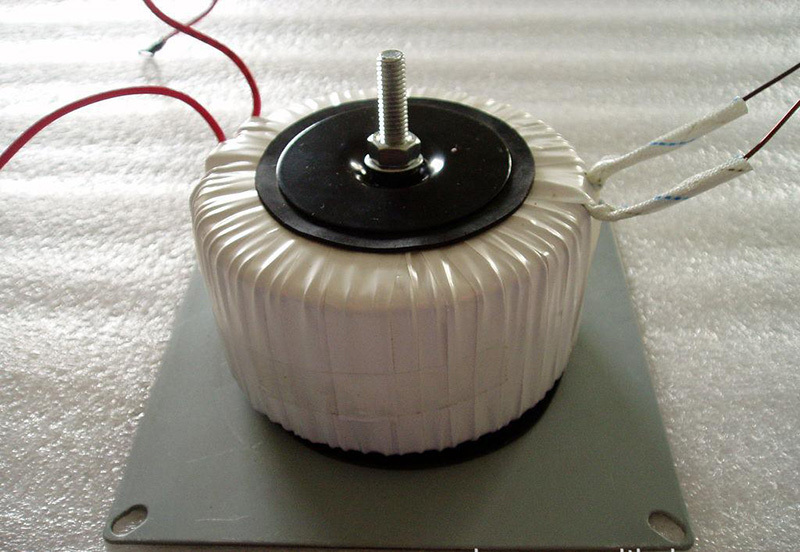
Type C Transformers are a specific category of transformers designed to provide enhanced performance, particularly in terms of energy efficiency. These transformers are characterized by their unique construction and operational principles, which differentiate them from traditional transformers.
One of the primary features of Type C Transformers is their use of high-grade materials that minimize core losses. Additionally, their design often incorporates advanced winding configurations and optimized magnetic materials, contributing to lower energy waste during operation. The result is a transformer that not only meets but exceeds performance expectations in various applications.
4. Benefits of Using Type C Transformers
The advantages of using Type C Transformers are manifold, making them a preferred choice in many electrical applications.
4.1 Energy Efficiency Improvements
A standout benefit of Type C Transformers is their **energy efficiency**. By minimizing core losses and optimizing winding configurations, these transformers significantly reduce the energy dissipated as heat during operation. This improvement translates to better overall system performance and less energy consumption, which is crucial in today’s climate-conscious world.
4.2 Cost Savings and ROI
Investing in Type C Transformers can lead to substantial **cost savings** over time. Their ability to operate more efficiently means lower electricity bills and reduced demand on power supplies. Moreover, the longevity of Type C Transformers often results in a higher return on investment (ROI) as they require less frequent replacement and maintenance.
4.3 Size and Design Advantages
Type C Transformers are often more compact than traditional transformer types, making them suitable for applications where space is a concern. Their innovative design allows for easier integration into existing systems without requiring extensive modifications, providing a seamless upgrade path for businesses looking to enhance their electrical infrastructure.
5. Applications of Type C Transformers in Various Industries
Type C Transformers find applications across a multitude of industries, each leveraging their efficiency benefits in different ways.
5.1 Industrial Applications
In industrial settings, these transformers are commonly used for powering heavy machinery and equipment. Their efficiency helps in managing peak loads, thus ensuring uninterrupted operations.
5.2 Renewable Energy Systems
The rise of renewable energy technologies, such as solar and wind power, has increased the demand for efficient power management solutions. Type C Transformers facilitate this by optimizing energy conversion processes, thereby enhancing the overall yield of renewable energy systems.
5.3 Commercial Buildings
In commercial environments, Type C Transformers optimize power distribution, ensuring that energy is used efficiently throughout the building. This is crucial in reducing operational costs and supporting sustainability goals.
6. Comparison of Type C Transformers with Other Transformer Types
When comparing Type C Transformers to their counterparts, such as Type A and Type B Transformers, several key differences emerge.
6.1 Efficiency
Type C Transformers generally outperform Type A and Type B models in terms of efficiency. The advanced materials and design utilized in Type C Transformers result in lower energy losses, making them the superior choice for businesses focused on energy conservation.
6.2 Cost
While Type C Transformers may have a higher initial purchase price, their energy savings and lower maintenance costs make them more economical in the long run compared to traditional transformer types.
6.3 Application Suitability
Type C Transformers are often more versatile than other types, making them suitable for a broader range of applications, from industrial to residential uses. Their adaptability ensures they can meet the specific needs of various sectors effectively.
7. Maintenance and Best Practices for Type C Transformers
To ensure Type C Transformers operate at peak efficiency, regular maintenance is essential. Here are some best practices to follow:
7.1 Regular Inspections
Conducting regular inspections is vital to identify any potential issues before they escalate. This includes checking for signs of wear and tear, loose connections, and signs of overheating.
7.2 Cleaning and Environment Control
Keeping the transformer clean and in a controlled environment helps prevent contamination and overheating. Ensure that the area around the transformer is free of debris and that cooling systems are functioning correctly.
7.3 Professional Servicing
Engaging with professionals for servicing and repairs is crucial. Technicians can provide insights into optimizing performance and ensuring the longevity of your Type C Transformers.
8. Frequently Asked Questions
8.1 What makes Type C Transformers more efficient than other types?
Type C Transformers utilize high-grade materials and advanced design features that minimize energy losses, resulting in improved efficiency.
8.2 Are Type C Transformers suitable for all electrical applications?
Yes, Type C Transformers are versatile and can be utilized in various applications, including industrial, commercial, and renewable energy systems.
8.3 How do I determine the right transformer type for my needs?
Assess your energy requirements, budget, and application specifics to determine the best transformer type. Consulting with a professional can provide tailored advice.
8.4 What is the average lifespan of a Type C Transformer?
With proper maintenance, Type C Transformers can last between 20 to 30 years, making them a durable investment.
8.5 Can Type C Transformers be retrofitted into existing systems?
Yes, Type C Transformers can often be integrated into existing electrical systems with minimal modifications, providing an efficient upgrade option.
9. Conclusion
In conclusion, Type C Transformers stand out as an essential component in modern electrical applications, offering unparalleled power efficiency and versatility. Their innovative design, coupled with significant cost savings and adaptability, makes them a wise investment for industries aiming to improve their energy management. By incorporating Type C Transformers into your electrical systems, you can enhance operational efficiency, reduce energy waste, and contribute to a more sustainable future. Whether in industrial environments or commercial settings, the benefits of these transformers are clear, paving the way for a more efficient and environmentally friendly approach to energy consumption.



Copyright ©2023 Guangzhou Zhanhong Electronlc Co.,Ltd. |
| Business license | SEO