


NEWS
Understanding Low Frequency Transformers: Key Insights for Professionals in Electrical Engineering
Release time:
Jun 13,2025
---
Low frequency transformers are essential components in the realm of electrical engineering, particularly within the sectors focusing on power distribution and conversion. These transformers operate at frequencies typically below 1 kHz, making them crucial for applications requiring stable and efficient energy transfer at lower frequencies. Understanding the functionality and design considerations of low frequency transformers can significantly enhance the effectiveness of electrical systems.
One of the primary functions of a low frequency transformer is to change voltage levels while maintaining power levels. This is achieved through electromagnetic induction, where alternating current in the primary winding generates a magnetic field that induces a voltage in the secondary winding. Low frequency transformers are particularly advantageous in applications such as power supplies for industrial machinery, audio equipment, and certain types of renewable energy systems.
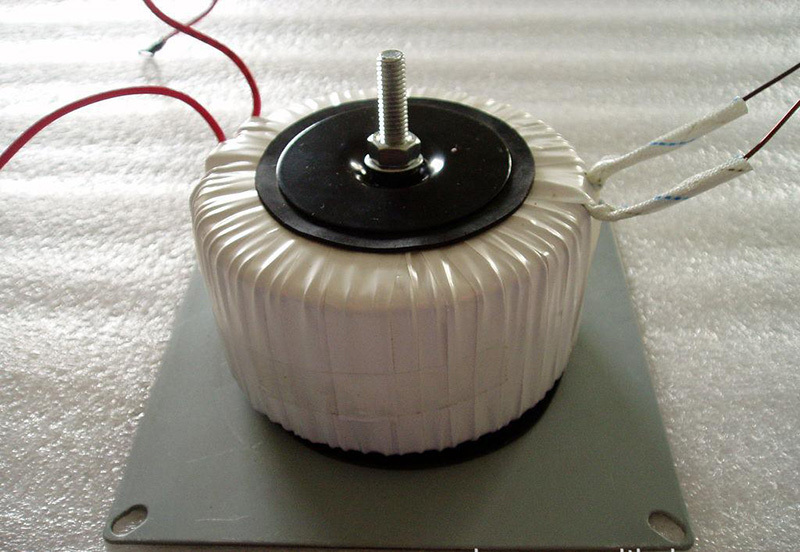
The design of low frequency transformers incorporates several key features that set them apart from their high-frequency counterparts. Generally, they are larger and heavier than high-frequency transformers due to the use of laminated cores, which minimize losses from eddy currents. The materials used in the core are chosen for their magnetic properties, allowing for efficient energy transfer. Additionally, low frequency transformers often utilize thicker wire in their windings to accommodate the higher current levels typically encountered in these applications.
Another important aspect of low frequency transformers is their efficiency. Operating at lower frequencies allows for better control of reactive power, which is a crucial consideration in power systems. The reduced losses associated with lower frequency operation contribute to improved overall efficiency, making them a preferred choice in many industrial settings.
Moreover, low frequency transformers are designed to handle specific load conditions, ensuring that they can perform optimally under varying demands. This adaptability is significant in environments where the load may change over time, as it allows the transformer to maintain consistent performance without overheating or becoming inefficient.
In conclusion, low frequency transformers play a pivotal role in the electrical engineering landscape, driven by their ability to manage voltage levels efficiently at lower frequencies. Their robust design, efficiency in energy transfer, and adaptability to varying load conditions make them invaluable in numerous applications. For professionals in the electrical engineering field, understanding the principles and applications of low frequency transformers is essential for optimizing system performance and ensuring reliable energy distribution. As technology continues to evolve, the knowledge of these transformers will remain crucial in driving advancements in electrical systems.



Copyright ©2023 Guangzhou Zhanhong Electronlc Co.,Ltd. |
| Business license | SEO